


ALBAWABA- Israeli forces have stepped up airstrikes across southern Lebanon over the past week, hitting areas in the Jezzine, Hasbaya, Nabatieh, and Tyre districts, according to regional and official reports.
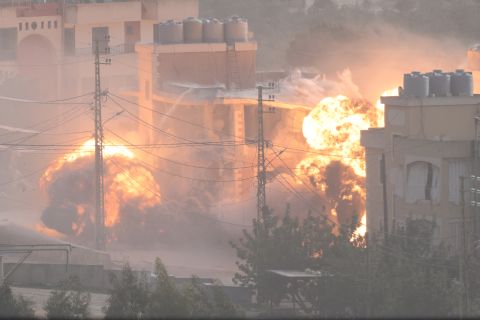
On Thursday, Israeli aircraft struck the Mahmoudieh hills in Jezzine and Wadi Borghoz in Hasbaya, with the Israeli military saying the operations targeted Hezbollah positions.
Earlier strikes on Monday and Tuesday killed at least one civilian and wounded several others. Attacks were reported in Ansariyeh and Al-Qlailah, where drones hit vehicles and residential buildings.
Lebanon’s health ministry said eight people were injured in Monday’s strikes alone. The raids were accompanied by evacuation warnings for villages including Kfar Tebnit and Ain Qana, where multiple structures were damaged.
The Israeli Defense Forces said the strikes aim to prevent Hezbollah from rebuilding its military capabilities, while Lebanese authorities and UN peacekeepers described them as violations of the November 2024 ceasefire.
Separately, social media footage and eyewitness accounts showed Israeli aircraft spraying substances over agricultural land in border areas such as Ayta ash-Shaab and Ramieh.
Lebanon’s agriculture ministry said laboratory tests identified the substance as glyphosate, applied at concentrations 20 to 30 times higher than normal agricultural use, raising concerns over severe damage to crops, soil, and water sources. President Joseph Aoun condemned the spraying as an “environmental and health crime” and instructed the foreign ministry to file a complaint with the UN Security Council.
The UN Interim Force in Lebanon expressed concern over the long-term impact on farmland and civilian returns, noting that Israel informed UNIFIL of a “non-toxic” release while patrols were suspended in affected areas. Human rights groups, including Euro-Med Monitor, said the actions could amount to a war crime, arguing they deliberately target civilian livelihoods and food security.
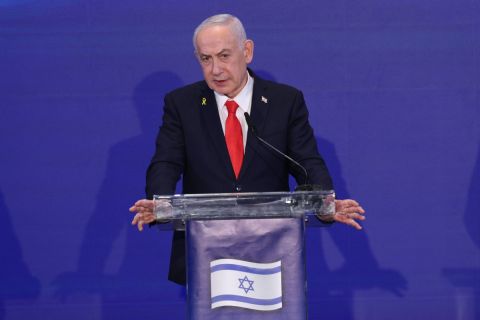
The escalation comes amid fragile implementation of the 2024 ceasefire, brokered after more than a year of cross-border fighting linked to the Gaza war that began in October 2023.
The agreement called for Hezbollah’s withdrawal north of the Litani River, deployment of the Lebanese army in the south, and an end to hostilities. Lebanese officials say the truce has been repeatedly violated, documenting more than 6,000 Israeli breaches since November 2024, including land, air, and maritime incursions.
According to Lebanese figures, more than 330 people have been killed since the ceasefire, including at least 127 civilians, while Israel continues to occupy five hilltops in southern Lebanon and carry out strikes against what it describes as Hezbollah rearmament. Hezbollah has carried out only limited retaliatory actions, with one confirmed attack since the truce.


