ALBAWABA- Iran has placed the Khorramshahr-4 ballistic missile into operational service with the Islamic Revolutionary Guard Corps, according to a report on Thursday by the semi-official Fars News Agency, in a move that underscores rising regional tensions.
Described by Tehran as its most advanced missile, the liquid-fueled system has a reported range of 2,000 kilometers and can carry a 1,500-kilogram warhead, significantly expanding Iran’s strike capability across the Middle East.
Footage aired by Iranian media showed the missile, also known as Kheibar, stored in underground facilities. Iranian officials claim it can reach speeds of up to Mach 16 outside the atmosphere and Mach 8 on reentry, potentially complicating interception by missile defense systems. The deployment comes as Iran continues rebuilding military infrastructure damaged during the 2025 Israel-Iran confrontation, and signals what analysts see as a more assertive military posture.
The announcement coincided with renewed diplomatic activity and mounting pressure from Washington and Tel Aviv.
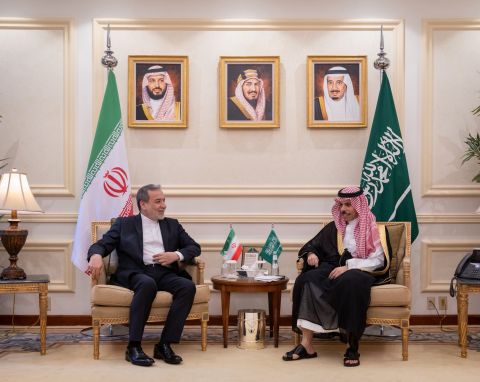
Iranian Foreign Minister Abbas Araghchi confirmed that indirect nuclear talks with the United States are set to take place in Oman on Friday, after disagreements over the venue derailed earlier plans for Istanbul. The talks are expected to focus on sanctions relief and Iran’s nuclear program.
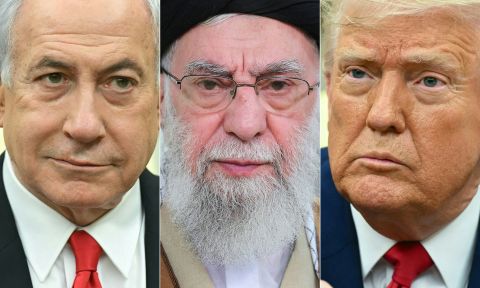
US President Donald Trump compared Iran’s negotiating stance to that of Venezuela, suggesting Tehran is seeking a deal to avoid military action. He warned Supreme Leader Ali Khamenei to be “very worried” and said the United States had deployed a naval force larger than the one used in its pressure campaign against Caracas.
US Secretary of State Marco Rubio said any negotiations must also address Iran’s ballistic missile program, regional proxy networks, and human rights record, expressing doubts about the prospects for a comprehensive agreement while reaffirming Washington’s readiness to engage. He argued that Iran’s economic and social weaknesses stem from diverting resources toward militant activities rather than domestic needs.
Israeli Prime Minister Benjamin Netanyahu reiterated that Israel would respond “decisively” to any Iranian aggression, recalling discussions with Trump in late 2025 about potential follow-up strikes.
In January 2026, Netanyahu warned that any direct attack by Iran would trigger an “unprecedented” response, amid concerns over Tehran’s missile advances, proxy rebuilding, and nuclear ambitions.
The rollout of the Khorramshahr-4 may be intended to deter adversaries, but caution that it also raises the risk of miscalculation at a time when diplomatic channels remain fragile and mutual distrust is deepening.