ALBAWABA- Thousands of Iranians took to the streets across the country on Wednesday to mark the 47th anniversary of the 1979 Islamic Revolution, in mass rallies that unfolded amid heightened tensions with the United States and Israel over Tehran’s nuclear program.
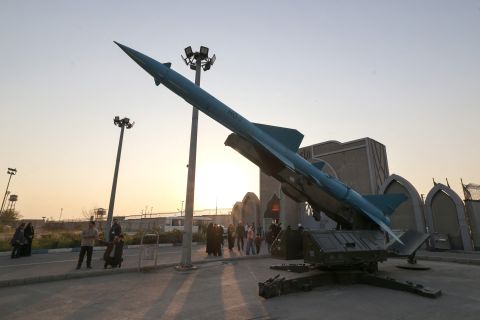
State media portrayed the nationwide demonstrations as a show of unity and resilience. In Tehran’s Azadi Square, crowds waved Iranian and Palestinian flags and held portraits of Supreme Leader Ayatollah Ali Khamenei and the late revolutionary leader Ayatollah Ruhollah Khomeini.
Military displays and patriotic slogans underscored the anniversary’s symbolism.
The rallies come at a sensitive moment for the Islamic Republic, following months of economic strain and sporadic anti-government protests that were met with a firm security response.
Officials have sought to project stability and national cohesion as Iran navigates diplomatic pressure and regional fallout from last year’s confrontation with Israel and subsequent US-led strikes that damaged key nuclear facilities.
Addressing supporters in Tehran, President Masoud Pezeshkian called for unity against what he described as “conspiracies from imperial powers” seeking to divide Iranian society. He emphasized the need to heal internal divisions and reiterated Iran’s readiness to engage in negotiations over its nuclear program, while pledging that the country would not yield to external pressure.
In Washington, US Vice President JD Vance outlined the administration’s position in recent interviews, saying regime change was not the objective of US policy. “If the Iranian people want to overthrow the regime, that’s up to the Iranian people,” Vance said. “What we’re focused on right now is the fact that Iran can’t have a nuclear weapon.” He warned that an Iranian nuclear arsenal could spark wider proliferation across the Middle East.
Meanwhile, Israeli Prime Minister Benjamin Netanyahu arrived in Washington for an expedited meeting with President Donald Trump, as indirect US-Iran talks continue in Oman. Netanyahu is expected to press for stricter limits not only on Iran’s nuclear activities but also on its missile program and regional allies, reflecting Israeli concerns that any deal could fall short of curbing Tehran’s broader influence.
President Trump has described the ongoing discussions as progressing positively, but Netanyahu’s visit highlights persistent differences over strategy and the risk of renewed escalation if diplomacy stalls.
The anniversary rallies in Iran and the intensified US-Israel coordination underscore a volatile diplomatic moment, with negotiations delicately balanced between breakthrough and confrontation in an already fragile region.