ALBAWABA- Iranian Foreign Minister Abbas Araghchi is due to visit Turkey on Friday for talks with his Turkish counterpart, Hakan Fidan, as Ankara steps up diplomatic efforts to de-escalate mounting tensions between Iran and the United States and address wider regional security risks.
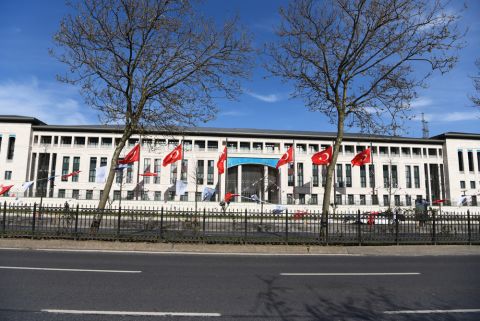
Turkish officials say the discussions will focus on dialogue and confidence-building measures aimed at preventing military confrontation, with Fidan reiterating Turkey’s opposition to the use of force and his call for resolving disputes “file by file,” beginning with Iran’s nuclear program.
Ankara has signaled readiness to facilitate negotiations, citing what it describes as Tehran’s openness to re-engaging on the nuclear dossier.
The visit follows a recent phone call between Turkish President Recep Tayyip Erdogan and US President Donald Trump, during which Erdogan proposed a trilateral summit involving Turkey, the United States, and Iran to promote de-escalation.
Trump reportedly responded positively, indicating potential openness to diplomatic engagement despite intensified rhetoric and expanded US military deployments in the Gulf. The initiative reflects Turkey’s attempt to position itself as a mediator while balancing its ties with Washington and regional partners.
Regional diplomacy has intensified in parallel. Pakistani Prime Minister Shehbaz Sharif held talks with Iranian President Masoud Pezeshkian on Thursday, stressing the importance of sustained dialogue to preserve regional peace and security.
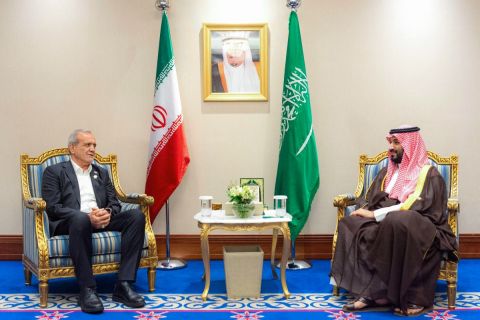
The call came a day after Saudi Crown Prince Mohammed bin Salman assured Pezeshkian that Saudi airspace and territory would not be used for any attack on Iran, emphasizing Riyadh’s preference for resolving disputes through dialogue.
Pezeshkian welcomed efforts aimed at preventing war, highlighting shared concerns among Gulf and South Asian states over potential spillover from US-Iran tensions.
At the same time, Iran has announced live-fire military exercises in the Strait of Hormuz, a vital corridor for global energy supplies. A Notice to Airmen issued earlier this week warned of restricted airspace during the drills, which are scheduled to continue through January 29.
Iranian officials have reiterated warnings of swift retaliation to any attack, underscoring their claim of full control over the strait and fueling market concerns over possible disruptions to global oil flows.
Further complicating the diplomatic backdrop, Araghchi accused European states of exacerbating global tensions by aligning with US policies and weakening diplomatic channels.
In a post on X, he criticized the European Union’s designation of the Islamic Revolutionary Guard Corps as a terrorist organization, calling it a strategic miscalculation that undermines Europe’s geopolitical independence.
These developments highlight a simultaneous push for diplomacy and deterrence, as regional actors seek to avert escalation while Iran signals readiness to defend its interests. The coming days may prove critical in shaping the trajectory of US-Iran relations, with significant implications for Middle East stability.