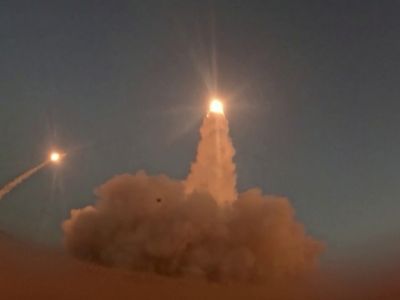
ALBAWABA- The confrontation between Iran and the United States entered a new phase of regional escalation on Tuesday as Iranian missile and drone strikes targeted US-linked facilities in Bahrain and Iraq’s Kurdistan Region, while Washington continued its campaign of strikes against Iranian positions.
The latest attacks are part of an expanding cycle of retaliation that has transformed the conflict from a direct US-Iran confrontation into a wider regional crisis involving Gulf states, Iraq, Jordan, and key maritime routes.
In Bahrain, Iran’s Islamic Revolutionary Guard Corps (IRGC) announced strikes targeting US military assets, including facilities linked to Sheikh Isa Air Base, which hosts US aircraft operations, as well as intelligence and communications sites.
Explosions and air defense activity were reported, while Bahraini authorities condemned the attacks as a violation of the country’s sovereignty. Bahrain hosts the headquarters of the US Navy’s Fifth Fleet, making it one of Washington’s most important military positions in the Gulf.
Iranian attacks have also affected Kuwait, where strikes targeted areas near US military facilities, including Camp Arifjan, Ali Al Salem Air Base, and Ahmad Al Jaber Air Base. Reports indicated damage to infrastructure, including power and water facilities, with disruptions affecting airport operations and emergency response efforts. Kuwait relies heavily on desalination plants for its water supply, raising concerns over the vulnerability of critical infrastructure.
In Iraq’s Kurdistan Region, the capital Erbil has remained under heightened threat, with repeated missile and drone activity reported near US facilities and the US consulate. Some attacks have targeted bases linked to Iranian Kurdish opposition groups, while others have been directed toward areas associated with the US presence. Kurdish and coalition forces have reported interceptions, though no major mass-casualty incident has been confirmed in the latest developments.
The escalation follows the collapse of a fragile ceasefire between Washington and Tehran, after which the United States intensified strikes against Iranian military, missile, and strategic facilities. Iran has responded by expanding its retaliation beyond US forces to include American positions hosted by regional allies, seeking to raise the cost of Washington’s military presence in the Middle East.
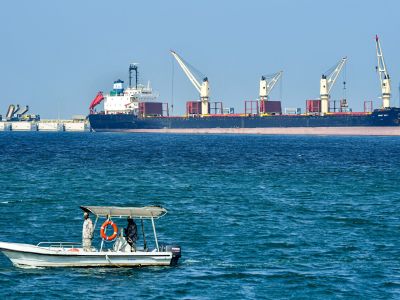
The conflict has also extended into other theaters, with Iranian-aligned groups, including Yemen’s Houthis, threatening regional maritime routes and increasing pressure on shipping through the Red Sea and the Strait of Hormuz. The widening confrontation has raised concerns over global energy supplies and the possibility of further disruption to international trade.
The latest escalation has resulted in casualties on both sides, including US military deaths in attacks in Jordan and Iraq, with Washington reporting dozens of American personnel killed or injured since the conflict intensified. Iranian strikes have also caused damage to civilian infrastructure in Gulf countries, prompting condemnation from regional governments.
US President Donald Trump has vowed a strong response to attacks on American forces, stating that Iran would face severe consequences for the deaths of US service members. He has emphasized that ongoing US operations aim to degrade Iran’s military capabilities and deter further attacks.