ALBAWABA- Tehran is escalating efforts to consolidate control over the Strait of Hormuz by introducing new regulations targeting undersea internet cables and maritime traffic, amid stalled negotiations with the United States and rising regional tensions.
Iranian military spokesperson Ebrahim Zolfaghari announced last week that Tehran plans to impose licensing fees on submarine fiber-optic cables crossing the Strait and the Arabian Gulf.
Iranian media outlets affiliated with the Islamic Revolutionary Guard Corps (IRGC), including Tasnim News Agency and Fars News Agency, reported a three-stage framework requiring major technology firms to pay initial licensing charges and annual renewal fees.
Under the proposed measures, companies such as Google, Microsoft, Meta, and Amazon would also be required to comply with Iranian regulations, while Iranian firms would gain exclusive authority over cable maintenance and repair operations.
The undersea cables are a critical component of global digital infrastructure, carrying much of the world’s internet traffic, financial transactions, and cloud computing services. However, existing US sanctions prohibit American companies from making payments to Iranian entities, creating potential legal and operational complications for major tech firms.
Iranian officials have warned that operators failing to comply could face disruptions to network traffic, while defending the measures as consistent with international maritime law, including the UN Convention on the Law of the Sea.
At the same time, Tehran has formally established the Persian Gulf Strait Authority (PGSA), a new body tasked with overseeing vessel movements through the strategic waterway. The authority launched its official X account, @PGSA_IRAN, on Monday and said it would provide real-time operational updates for the strait.
The PGSA will require ships to submit transit declarations for approval and is expected to introduce additional fees for specialized maritime services along designated shipping corridors. The move follows recent periods of restricted navigation linked to heightened regional tensions.
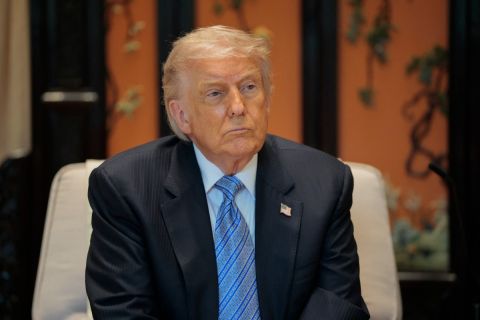
The developments come amid increasingly confrontational rhetoric between Donald Trump and Tehran as nuclear and maritime talks remain deadlocked. Trump has warned that the current ceasefire is “on life support” and urged Iran to make rapid concessions or face severe consequences, including demands to dismantle key elements of its nuclear program. Tehran has rejected major US proposals, insisting on maintaining its positions regarding uranium enrichment and regional influence.
Iran is seeking to leverage the Strait of Hormuz, through which nearly one-fifth of global oil shipments and substantial volumes of international digital traffic pass, as a strategic pressure point in negotiations with Washington.