


ALBAWABA- Iran and the United States concluded a third round of indirect nuclear negotiations in Geneva on Thursday, reporting “significant progress” but stopping short of a breakthrough as key differences remain unresolved.
The talks, mediated by Oman, focused on curbing Tehran’s nuclear program and easing escalating tensions in the Middle East, where the United States has expanded its military presence in recent weeks. While both sides described the discussions as constructive, disagreements persist over uranium enrichment limits, monitoring mechanisms, and the scope of any future agreement.
Technical-level discussions are expected to resume next week in Vienna, headquarters of the International Atomic Energy Agency, after delegations consult with their respective governments.
U.S. special envoy Steve Witkoff said any agreement must be permanent and verifiable, initially centered on nuclear issues before addressing Iran’s ballistic missile program and its regional alliances. Reports indicated Washington was dissatisfied with proposals presented by Tehran earlier in the day, though officials said the tone of negotiations improved later in the session.
Iranian Foreign Minister Abbas Araqchi described the exchanges as “intense and serious,” adding that progress is possible if the United States confines negotiations to nuclear matters and separates them from broader security concerns. An Iranian official suggested a framework agreement could take shape under those conditions.
Omani Foreign Minister Sayyid Badr bin Hamad Al Busaidi, who facilitated the discussions, praised both sides for presenting what he called “creative and positive ideas,” reaffirming Oman’s role as a diplomatic intermediary.
The talks are widely seen as an attempt to revive or replace the 2015 nuclear accord, formally known as the Joint Comprehensive Plan of Action (JCPOA), which the United States withdrew from in 2018 under President Donald Trump. Since then, Iran has expanded uranium enrichment activities, while Washington has maintained and tightened sanctions.
The negotiations unfold amid heightened regional strain. The United States has deployed additional naval assets to the region and warned of possible military action if diplomacy collapses. Iran, grappling with economic pressure and domestic challenges, continues to demand comprehensive sanctions relief while denying any intent to develop nuclear weapons.
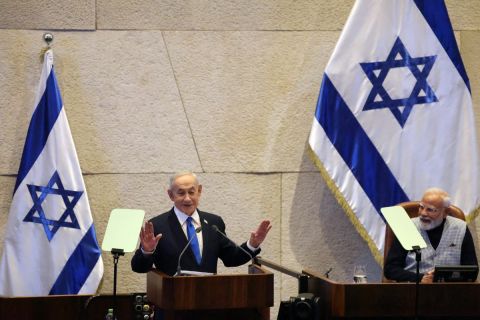
Israel has expressed strong opposition to any deal that permits continued uranium enrichment. Prime Minister Benjamin Netanyahu has called for zero enrichment and has previously authorized strikes on Iranian-linked facilities, raising concerns that unilateral action could derail diplomatic efforts.
Failure to secure an agreement could further destabilize the region, disrupt global energy markets, and increase the risk of direct confrontation.