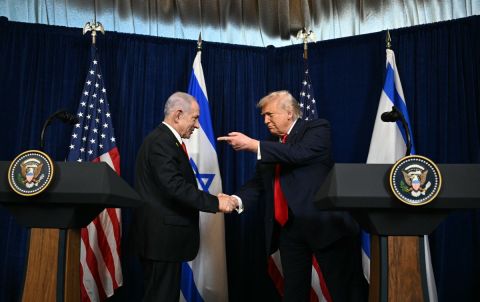
ALBAWABA - After President Donald Trump gave Tehran a 10- to 15-day ultimatum to negotiate a nuclear agreement, senior U.S. national security officials have informed him that American forces are operationally prepared to begin possible strikes against Iran, possibly as early as Saturday.
The timing may change based on the outcome of continuing negotiations, according to reports that cite diplomatic sources. Trump has not yet approved any action despite military readiness, and internal White House discussions are still ongoing and unresolved.
According to officials, the administration is carefully weighing the political and strategic costs of forbearance against the risks of escalation in these dynamic talks. While Tehran continues to maintain its right to uranium enrichment, the president recently threatened Iran with dire consequences if it failed to create what he called a "viable deal."
According to reports, the Pentagon is moving some American workers from the Middle East back to the United States or to Europe as a precaution. Defense officials emphasize that such redeployments are not indicative of an impending strike, but rather are regular procedure prior to possible military actions.
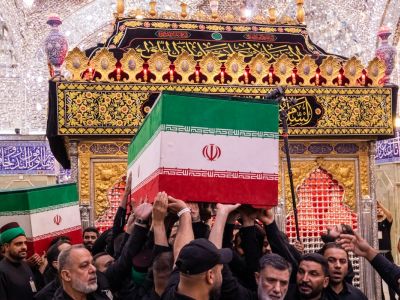
Following fresh Iranian warnings directed at American bases in the area, tensions have escalated even more. According to reports, Tehran informed the UN of its position, indicating that any assault will be retaliated upon.
In the meantime, Omani-mediated indirect nuclear negotiations between Washington and Tehran have resumed. Following a first round in Muscat earlier this month, a second meeting was held at the ambassador of Oman's home in Geneva.
With one aircraft carrier stationed close to Iranian seas and another on the way, the United States has increased its military presence in the area. Tens of thousands of troops and additional fighter aircraft are spread throughout regional bases, highlighting the increased readiness as military and diplomatic tracks advance concurrently.
It is anticipated that the upcoming days will be crucial in deciding whether the crisis moves toward confrontation or de-escalation.