ALBAWABA - President Donald Trump has released new details about a military plan his government had once contemplated to grab Iran’s stockpile of highly enriched uranium, describing the logistical and operational obstacles that ultimately stopped the mission from being carried out.
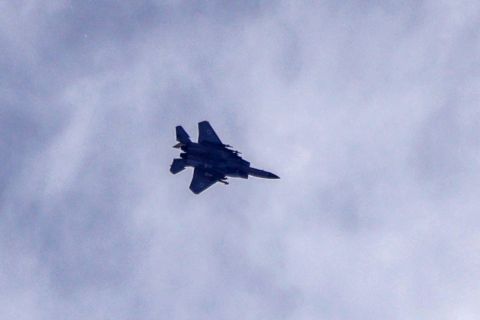
Speaking to reporters at the White House, Trump said the idea included a massive military operation to invade Iran’s nuclear facilities and seize the country’s stockpiles of enriched uranium.
The concept was discussed seriously but was determined to be very difficult to execute, the president said, because the nuclear material is held inside well secured bunkers. Trump said it would take a lot of military personnel "probably on the ground for up to two weeks" and specialist equipment and a lot of logistical assistance to get to those sites and clean them up.
The United States is now closely monitoring Iranian nuclear facilities and might identify any attempt to move nuclear materials or change activity at the sites, he said.
Deterrence: Pact or War
Trump also warned Tehran that any attack on US personnel in the region would automatically precipitate a return to large-scale military confrontation.
He said Washington was prepared for any eventuality, and argued that the US would ultimately come out on top whether the current issue was resolved diplomatically or by a resumption of conflict.
The $100 Billion Dispute
Washington and Tehran continue to talk behind closed doors, with military scenarios still on the table, and one of the biggest sticking points is $100 billion or so in Iranian assets frozen overseas.
Iran, according to reports, is insisting on an initial payment of about $12 billion immediately after signing any preliminary agreement as a show of goodwill and confidence-building.
But the Trump administration has ignored that demand, insisting that any flow of funds would be slow and directly related to Iran’s compliance with the conditions of a future deal.
U.S. officials regard the frozen assets as one of their best sources of leverage in negotiations, and believe the monies should be released gradually if Tehran fulfills its pledges.
Both sides are continuing to seek measures to avoid any military escalation, but the frozen assets issue remains one of the fundamental bottlenecks that preclude a final breakthrough in the ongoing talks.