ALBAWABA — Nael Barghouti, often called the world's longest-held political prisoner, has a life story defined by land, defiance, and decades spent behind bars. Known to Palestinians as the "dean of prisoners," Barghouti has endured over 44 years in Israeli prisons, spread over several periods of imprisonment.
Born in October 1957 in the village of Kobar, just north of Ramallah, Barghouti's childhood was spent among olive groves and citrus orchards. His formative years coincided with Israel's 1967 occupation of the West Bank, an event that sparked his political consciousness. As a boy, he joined other villagers in facing Israeli soldiers with stones, an act that would set the stage for a lifetime of resistance.
In 1978, as he studied for his final exams, Barghouti found himself arrested, joined by his brother and cousin. An Israeli court subsequently handed down a life sentence to all three, citing their involvement in resistance activities. This verdict initiated what would be the longest incarceration of any Palestinian.
Over the years, Barghouti was transferred between various prisons, observing what he calls four generations of prisoners and guards. He maintains that his imprisonment never settled into a predictable pattern.
"No one grows accustomed to chains," he once stated, dismissing the notion that prolonged imprisonment could weaken one's resolve.
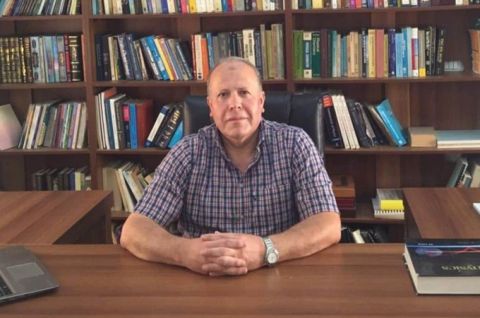
Barghouti experienced a brief release in 2011, a consequence of the Wafaa al-Ahrar deal, a prisoner swap. During that time, he married Iman Nafe’, a former political prisoner herself. Their time together was fleeting; in 2014, Israeli authorities re-arrested Barghouti, sending him back to prison after a mere 32 months of freedom.
His name has resurfaced in recent years, often mentioned in the context of potential prisoner exchanges and deportations.
In 2025, Barghouti found himself on a list of detainees slated for expulsion, a move that drew sharp criticism from Palestinians who saw it as a denial of his right to return.
Despite his incarceration, Barghouti's ties to the land have remained strong. He frequently compares his life to that of an olive tree—grounded, enduring, and unyielding. One particular tree, grown from a seed smuggled out of prison and nurtured with soil from various detention centers, became a potent emblem of persistence and survival.
Now, nearing his late sixties, Barghouti's life story endures as a compelling symbol of resilience, echoing the wider Palestinian narrative of loss, defiance, and unwavering commitment in the face of enduring conflict.