


ALBAWABA- The United States and Iran are reportedly close to finalizing a comprehensive draft agreement aimed at securing a long-term end to the 2026 Iran war, according to regional media reports, as fragile ceasefire efforts continue under Pakistani mediation.
The reported framework, which remains unsigned, is said to build on months of indirect negotiations and proposal exchanges facilitated by Pakistan following the April 8 ceasefire agreement that temporarily halted major hostilities between Washington and Tehran.
Officials familiar with the talks told regional outlets that discussions have entered a critical phase, with Pakistan’s Army Chief Asim Munir expected to play a central role in any potential announcement or diplomatic outreach linked to the draft accord.
The proposed agreement reportedly focuses on de-escalation measures, mutual non-aggression commitments, freedom of navigation in the Gulf, phased sanctions relief, and the launch of broader political and security negotiations.
Among the key provisions under discussion are commitments to maintain the ceasefire, halt military operations and hostile media campaigns, respect national sovereignty, and ensure safe maritime navigation through the strategically vital Strait of Hormuz and Gulf of Oman.
The draft also reportedly includes plans for a joint monitoring mechanism, follow-up negotiations within seven days of implementation, and a phased easing of sanctions tied to compliance and verification measures.
The talks follow months of escalating conflict that began after Israeli and U.S. strikes on Iranian targets earlier in 2026, triggering retaliatory missile and drone attacks by Iran and severe disruptions to global energy markets after restrictions were imposed on shipping through the Strait of Hormuz.
Pakistan has emerged as the primary intermediary throughout the crisis, with Prime Minister Shehbaz Sharif and Field Marshal Munir leading shuttle diplomacy between Tehran, Washington, and Gulf capitals. Islamabad previously hosted indirect talks and helped broker the April ceasefire that remains in effect despite repeated violations and regional tensions.
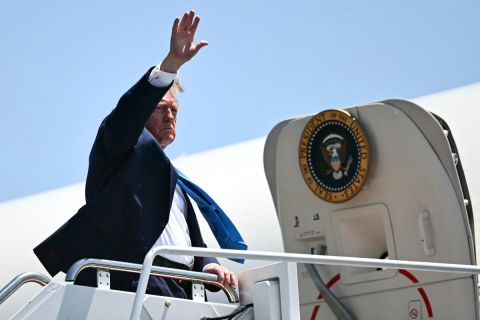
U.S. President Donald Trump has recently alternated between warnings of military escalation and cautious optimism about diplomacy. Trump said he delayed planned strikes against Iran following appeals from Gulf leaders, including Saudi Arabia, the United Arab Emirates, and Qatar, citing ongoing negotiations.
While warning that “the clock is ticking,” Trump has also said there is a “very good chance” of reaching an agreement that would prevent Iran from obtaining nuclear weapons.
Iranian officials, meanwhile, have continued to reject temporary arrangements, insisting on a comprehensive settlement that includes sanctions relief, guarantees against future attacks, access to frozen assets, and recognition of Iran’s sovereignty and regional security interests. Tehran has also tied any long-term commitments regarding maritime navigation and regional de-escalation to reciprocal concessions from Washington and its allies.
Despite growing diplomatic momentum, major disputes remain unresolved, including the future of Iran’s nuclear program, international verification mechanisms, regional armed groups aligned with Tehran, and enforcement guarantees for any future accord.


