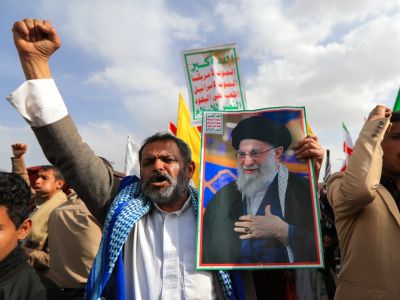
ALBAWABA - As the war restarted after the failure of the MoU between Iran and the U.S., Iran threatened that it would have Houthis blocking the other vital strait in the region; the Bab Al-Mandeb strait. A threat which has become a reality.
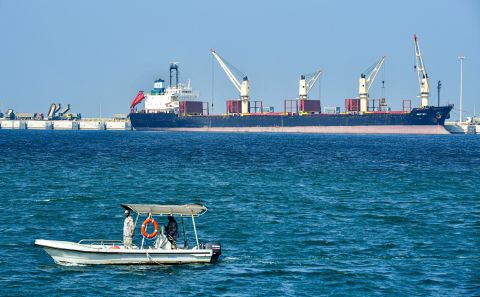
In what is considered a severe escalation of the Middle East conflict, the Houthis have begun implementing their blockade on Saudi ships passing through Bab Al-Mandeb strait in the Red Sea - targeting two Saudi oil-tankers with drones and missiles; leaving them in flames.
The first vessel targeted was LAYLA (IMO 9336098), a Saudi-flagged Very Large Crude Carrier (VLCC) and the second vessel was ENCELIA (IMO 9240172), a Saudi-flagged oil products tanker built in 2003.
“We targeted two Saudi oil tankers, named Encelia and Layla, for their violation of the blockade decision issued by the armed forces,” Houthi military spokesperson Yahya Saree said on Wednesday.
The Saudi Arabia’s Transport General Authority said that despite the violent attacks, all crew members of the Encelia are safe and well, it declined to provide any details on Layla, however, stating instead:
“These attacks constitute a violation of international laws and conventions that guarantee the safety of commercial vessels and their crews,”
Alongside the attacks, the Houthi blockade has forced ten ships to turn around from the strait, showcasing that the Houthis exercise effective control of the strategic chokepoint.
4.1 billion barrels of crude oil and refined petroleum products passed through the strait in 2024, making up about 5 percent of the global total.
However, with the closure of the Strait of Hormuz, shutting down Bab al-Mandeb could easily block 25 percent of the world’s oil and gas supply; especially to south east Asian countries which heavily rely on these two straits for their oil imports.