


ALBAWABA- A key Saudi pipeline transporting Gulf crude to the Red Sea was struck on Wednesday in what officials suspect was an Iranian attack, raising fresh concerns over energy security just hours after a US-Iran ceasefire took effect.
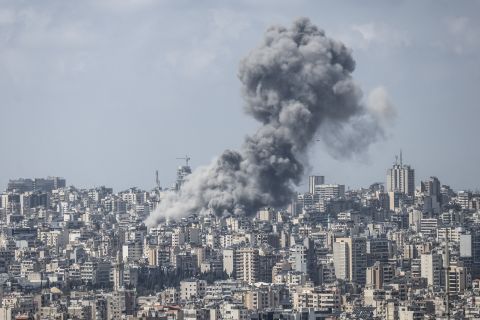
According to Reuters, damage assessments are ongoing following the strike on the strategic pipeline, which is critical for bypassing the Strait of Hormuz and ensuring steady oil exports to global markets. Saudi authorities confirmed the incident but did not disclose the extent of damage or any casualties.
In parallel, Iran launched missile and drone attacks on energy and power infrastructure in Kuwait and the United Arab Emirates, causing significant damage and disrupting oil production and electricity supply.
Kuwaiti officials reported heavy losses to oil facilities, power stations, and desalination plants, while the UAE confirmed fires and operational shutdowns at gas installations.
The escalation came just hours after Washington and Tehran agreed to a 15-day ceasefire brokered by Pakistan. The deal, announced late yesterday, includes provisions for Iran to reopen the Strait of Hormuz and halt direct hostilities, with follow-up negotiations scheduled in Islamabad.
Pakistani Prime Minister Shehbaz Sharif described the agreement as a vital step toward de-escalation following 39 days of conflict that have killed thousands and rattled global energy markets.
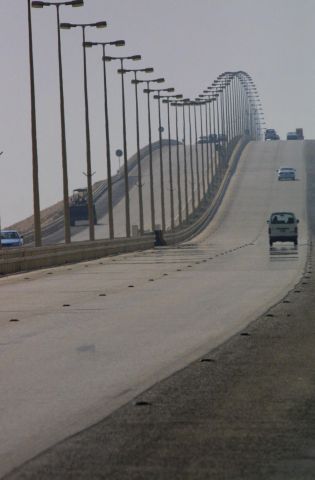
Iranian officials said the strikes on Kuwait and the UAE were retaliation for a drone attack earlier in the day on the Lavan oil refinery in southern Iran, which Tehran labeled a “cowardly enemy operation.” While no group has claimed responsibility for the refinery strike, Gulf officials have linked it to ongoing US-Israeli military activity.
The incidents highlight the fragility of the ceasefire, as attacks on critical infrastructure risk drawing Gulf states deeper into the conflict. Meanwhile, Israeli airstrikes in Lebanon have continued despite the broader truce framework, with Prime Minister Benjamin Netanyahu insisting that Lebanon is not covered by the agreement.
Continued strikes on energy assets and unresolved fronts in Lebanon could undermine the 15-day truce before substantive negotiations begin, prolonging regional instability and sustaining upward pressure on global oil prices.


