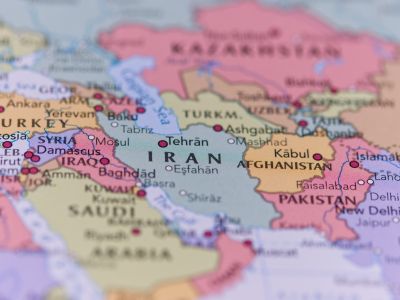
ALBAWABA- Saudi Arabia hosted a high-level international meeting on Thursday to advance its initiative for establishing a multinational maritime defense coalition aimed at strengthening security in the Red Sea, Bab al-Mandab Strait, Gulf of Aden, and surrounding waterways.
The Kingdom presented itself as the founding and leading member of the proposed coalition and offered to host its headquarters as part of efforts to develop a coordinated international response to growing threats against maritime security.
According to Saudi Arabia’s Ministry of Defense, the meeting brought together representatives from 51 countries and organizations, including the European Union. Chiefs of staff and military representatives from 43 participants attended either in person or through video conference to discuss rising threats affecting commercial shipping, energy transport, and critical maritime infrastructure.
Participants reviewed a draft charter outlining the coalition’s organizational structure, command arrangements, and operational mechanisms. They also agreed to continue coordination among military planners to finalize the coalition’s framework, procedures, and future activities.
A joint statement supporting the initiative was signed by 14 countries: Saudi Arabia, Kuwait, Bahrain, Qatar, Pakistan, Turkey, Egypt, Jordan, Yemen, Bangladesh, Nigeria, Sudan, Djibouti, and Somalia. Other participants expressed support for the initiative while completing their respective national approval processes.
Saudi Arabia said the coalition would remain open to additional members committed to protecting freedom of navigation, securing international trade routes, and addressing shared maritime threats, emphasizing that maritime security is a collective international responsibility.
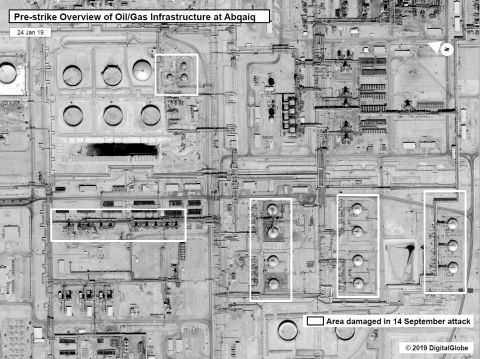
The initiative comes shortly after Saudi Defense Minister Prince Khalid bin Salman visits the United States, where discussions focused on regional security developments, including attacks on Saudi infrastructure linked to Yemen’s Houthi movement and Iran-aligned groups in Iraq. Saudi Arabia and the United States recently carried out joint strikes against armed groups in eastern Iraq, describing the operations as a response to attacks targeting their forces and interests.
The proposed coalition marks Saudi Arabia’s latest effort to strengthen security arrangements in the Red Sea region following previous international initiatives, including the U.S.-led Operation Prosperity Guardian launched in late 2023 and subsequent U.S.-British efforts to protect commercial shipping. Those initiatives faced challenges in deterring attacks by Yemen’s Houthis and restoring full maritime security in the region.
The Saudi-led initiative comes amid wider regional tensions involving the United States, Iran, and their respective allies. Iran has repeatedly threatened maritime access through the Strait of Hormuz, a critical energy route through which a significant share of global oil and gas supplies passes, while Houthi attacks and restrictions in the Bab al-Mandab Strait have disrupted shipping and forced some vessels to take longer routes around Africa.
For Saudi Arabia, securing maritime routes is a strategic priority due to its dependence on stable shipping lanes for energy exports and global trade. Attacks originating from Yemen and Iraq have highlighted vulnerabilities affecting the Kingdom’s infrastructure and economic interests.
The formation of a broader regional coalition reflects Saudi Arabia’s growing effort to play a greater role as a security provider while relying on partnerships with Gulf states, Egypt, Turkey, Pakistan, and African countries located near key maritime routes. The initiative also complements continued cooperation with the United States while seeking a more regionally driven security framework.
However, questions remain over the coalition’s effectiveness, particularly given the limited number of formal commitments so far and the absence of some major naval powers. The coming months of diplomatic and military planning will determine whether the initiative can develop into an effective force capable of protecting vital waterways and countering escalating regional threats.