ALBAWABA - On Saturday, Russia unleashed missile and drone strikes across Kyiv and other regions of Ukraine, just hours before Ukrainian President Volodymyr Zelensky was slated to meet with U.S. President Donald Trump for high-level discussions aimed at resolving the conflict.
Ukrainian air defenses sprang into action in the capital as explosions echoed and air raid sirens blared for several hours. The Ukrainian military confirmed that Russian drones were targeting Kyiv, as well as areas in the northeast and south of the country.
Authorities reported one fatality in the broader Kyiv region, and at least eleven others were injured in the capital, including two children.
The strikes also caused air travel headaches in Poland. Two airports in the southeast were temporarily closed after Polish forces, acting on safety protocols, sent up fighter jets, as aviation officials reported.
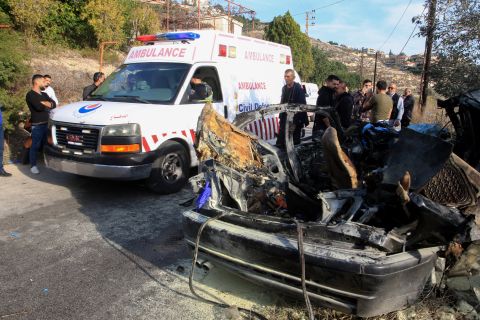
Russia has yet to comment officially on the attacks.
This escalation coincided with Zelensky's preparations for a meeting with Trump in Florida. The Ukrainian leader viewed this meeting as crucial for pushing forward negotiations to resolve the conflict, which began with Russia's invasion of Ukraine in February 2022.
Zelensky indicated that the talks would focus on territorial arrangements following a possible ceasefire, a subject that continues to be the primary sticking point in diplomatic efforts to end the war.
He mentioned that a U.S.-supported peace plan, encompassing twenty points, was close to being finalized. Discussions regarding security guarantees between Washington and Kyiv were also nearing a conclusion, according to him. Zelensky emphasized the necessity of legally binding commitments to deter any future Russian aggression.
The White House confirmed its leadership in the diplomatic efforts. European officials added that Trump and Zelensky were also slated to have phone conversations with European Commission President Ursula von der Leyen and other European leaders before their face-to-face meeting.
Trump expressed optimism about the talks and suggested he anticipated a conversation with Russian President Vladimir Putin in the near future.
Beyond the territorial wrangling, the talks also center on the Zaporizhzhia nuclear power plant, Europe's biggest, which Russian forces took control of at the war's outset.
Moscow is insisting that Ukraine pull back from the remaining parts of the eastern Donetsk region, a move aimed at securing full control of the Donbas. Kyiv, however, is holding firm, insisting that any ceasefire must simply halt the fighting along the current front lines.
Zelensky has indicated that if international backing for Ukraine's position starts to fade, he might put the proposed peace plan to a national referendum, assuming Russia agrees to a temporary ceasefire.
Russian Deputy Foreign Minister Sergei Ryabkov acknowledged that Ukraine's version of the peace proposal differs from what was discussed with Washington, but he also suggested that the negotiations might be nearing a critical juncture.