


ALBAWABA- Iran has formally delivered a 10-point response to U.S. proposals aimed at ending the ongoing Middle East conflict, rejecting a temporary ceasefire and calling instead for a comprehensive and permanent settlement that addresses its security and economic concerns.
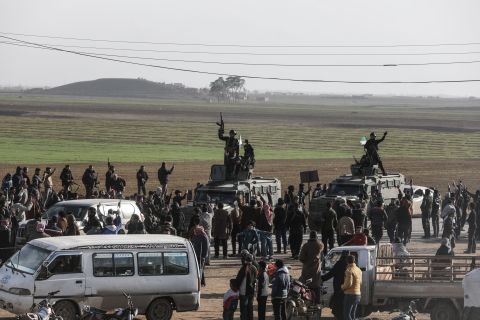
The response was conveyed to Washington via Pakistan, which is serving as the primary mediator, following two weeks of deliberations at the highest levels of Iran’s leadership.
According to the Islamic Republic News Agency (IRNA), the document emphasizes that previous short-term ceasefires have proven unreliable. It calls for an immediate and irreversible cessation of hostilities, guarantees for safe commercial navigation through the Strait of Hormuz, post-war reconstruction support, and the lifting of international sanctions.
While the full text has not been made public, Iranian officials describe the proposal as a framework for lasting peace rather than a temporary pause.
The development comes amid escalating hostilities that began in late February between Iranian forces and U.S.-Israeli military operations. Tehran has maintained effective control over the Strait of Hormuz, a critical artery for global energy supplies, causing significant disruption to oil markets. Iranian officials recently claimed they had repelled a U.S. airborne operation in western and central regions, describing it as a major failure.
🇮🇷 IRAN RESPONDS TO CEASEFIRE WITH "MAXIMALIST" 10-POINT COUNTER-DEMANDS
— Mario Nawfal (@MarioNawfal) April 6, 2026
Barak Ravid from Axios confirms Iran sent back a 10-point response to the U.S. proposal and it's basically "fuck your ceasefire, here's our ceasefire."
Demands so big they kill any chance of diplomatic… https://t.co/fR6TjrOcik pic.twitter.com/1oAm5w9WFs
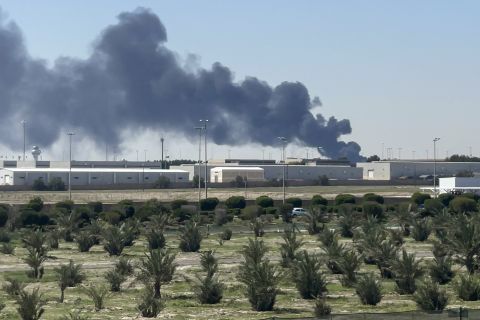
U.S. President Donald Trump has issued repeated ultimatums demanding the reopening of the strait. In a post on Truth Social on Sunday, he warned of potential strikes on Iranian infrastructure, including power facilities and bridges, if maritime access is not restored by Tuesday evening, cautioning that Iran would otherwise face severe consequences.
Iranian Foreign Ministry spokesperson Esmaeil Baghaei said the U.S. approach undermines the prospects for meaningful negotiations, describing the threats as indicative of a “criminal mindset.” Other officials characterized Washington’s position as excessive, insisting that talks cannot proceed under pressure.
Pakistan, which transmitted both the initial U.S. proposal and Iran’s counteroffer, has called for continued diplomatic engagement. Authorities in Islamabad have not disclosed details of the exchange but reiterated their commitment to facilitating a broader regional settlement.


