


ALBAWABA- Iranian Foreign Minister Abbas Araghchi has accused the United States of subordinating its regional policy to Israeli interests, saying Washington is prioritizing the security of Israel at the expense of wider regional stability.
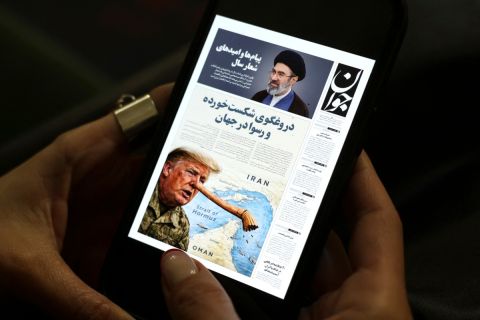
“America’s priority is Israel, and the American bases are to secure Israel, and the American bases are to secure Israel” Araghchi said, adding that the United States would “sacrifice everyone” to protect Tel Aviv. The remarks were made amid the ongoing US-Israeli war on Iran, now entering its fourth week.
The conflict began on February 28 following the assassination of Supreme Leader Ali Khamenei and subsequent joint U.S.-Israeli strikes on Iranian nuclear and military sites. Since then, more than 2,000 people have been killed, while Iranian missile attacks have continued to hit Israeli cities, including Tel Aviv, Haifa and Safed.
Tensions have further escalated with reports of increased US military deployments. The Pentagon has reportedly sent elements of the 82nd Airborne Division and additional Marines to the Middle East, with discussions underway about possible limited operations inside Iran, including securing strategic assets such as the Strait of Hormuz.
In Washington, debate over the scope of US involvement has intensified. Efforts by Democrats in the Senate to pass war-powers resolutions requiring congressional approval for offensive operations, or mandating troop withdrawals, have repeatedly failed in 53–47 votes, underscoring deep political divisions.
Iranian Parliament Speaker Mohammad Bagher Ghalibaf has further warned that any foreign ground intervention would trigger immediate retaliation, including strikes on infrastructure in any country facilitating such action.
Tehran has also reiterated its conditions for any ceasefire, insisting on full reparations, an end to regional hostilities, and recognition of its sovereignty over the Strait of Hormuz.
Meanwhile, British intelligence assessments suggest Iran retains strategic leverage in the conflict, particularly through its influence over the Strait of Hormuz, a critical route for global oil shipments. The assessment highlights Tehran’s ability to amplify the economic stakes of the war despite sustained military pressure.


