


ALBAWABA - Apple typically begins shaping the future immediately after launching its new products. Since unveiling the iPhone 17 series in September 2025, speculation has been rife about what the highly anticipated iPhone 18 will offer in 2026.
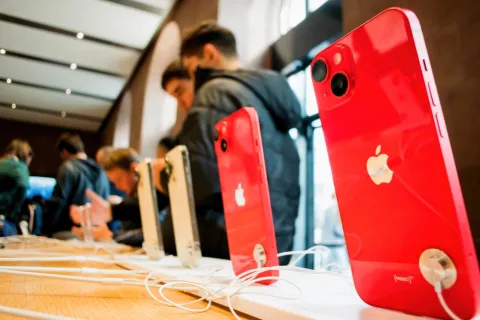
Tech forums and social media platforms are currently overflowing with "wish lists" where users and experts are outlining their visions for the next generation, hoping for technological leaps that go beyond the usual improvements, making the upcoming phone a true revolution in the world of smartphones, in terms of both design and functionality.
iPhone 18: Top anticipated features
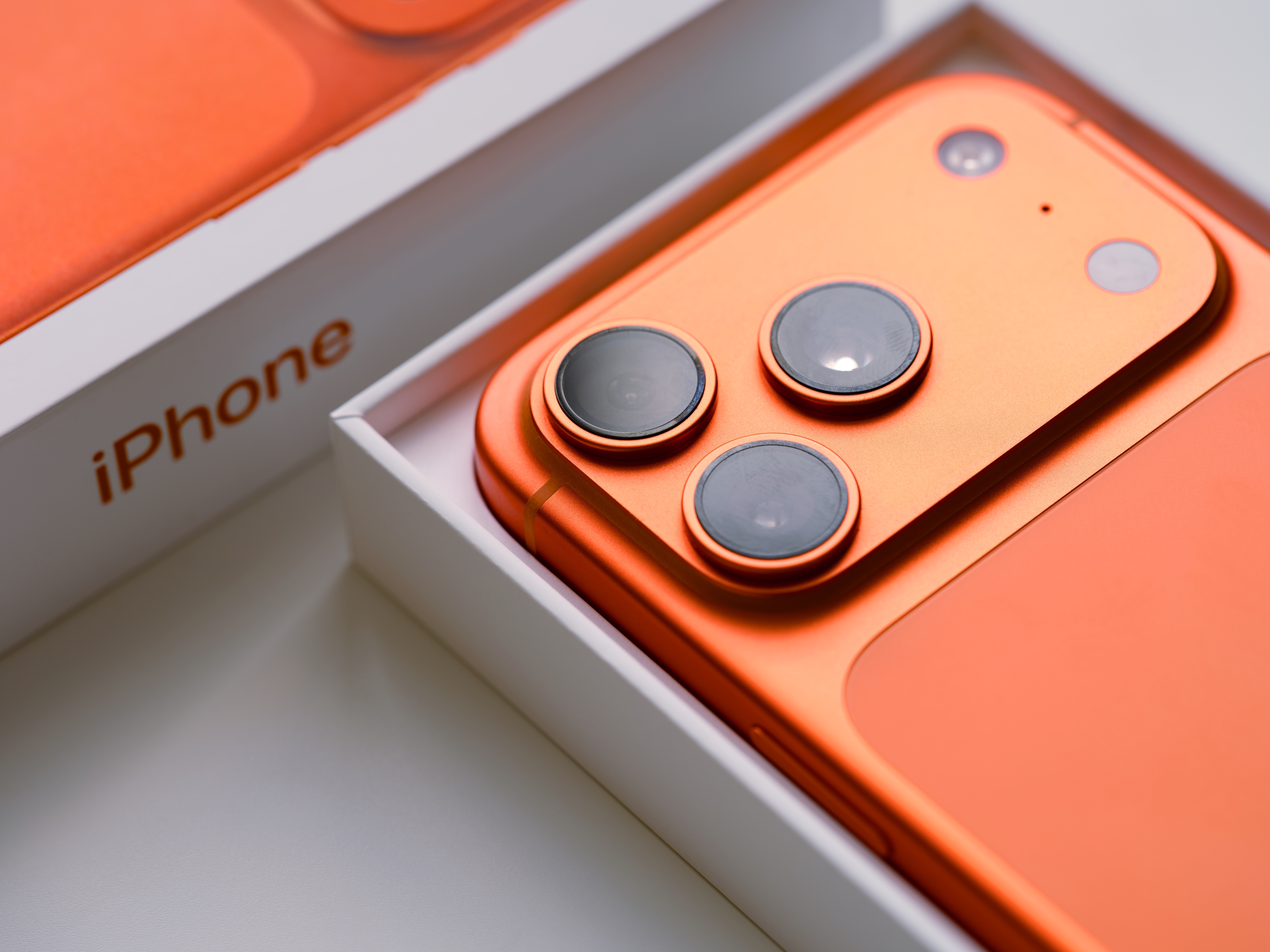
- Longer battery life with cutting-edge technology:
Some users are willing to accept a thicker phone in exchange for a larger battery capacity. They are also requesting an increase in charging cycles from the current 1,000 to 3,000, which would give the phone a longer lifespan and reduce the need for regular maintenance.
- Visual privacy:
Samsung's latest phone's "privacy screen" feature has impressed a wide segment of Apple's audience, as it makes the screen content invisible to those around it when viewed from a side angle.
- Faster charging to match the competition:
The iPhone 17 Pro series jumped to 40W charging speed for the first time, charging the battery up to 50% in just 20 minutes. Many users consider this insufficient, demanding speeds of up to 100W, which some Android phones already support.
However, the USB-C port, which Apple adopted with the iPhone 15, technically supports charging up to 240W, making this ambition both legitimate and technically achievable.
Send feedback
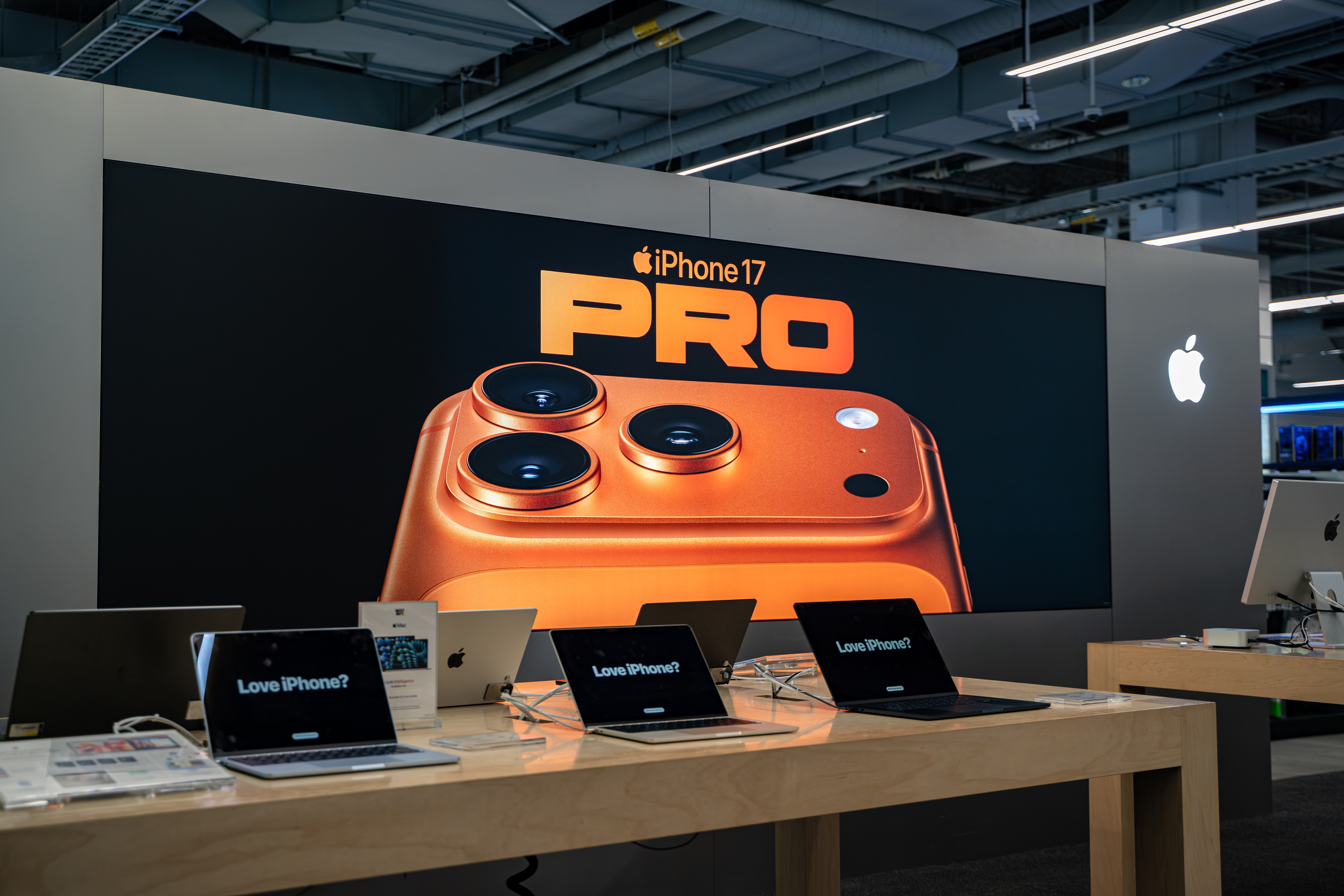
- Puncture-free display:
Technical reports indicate that Apple is actually considering moving to under-screen facial recognition technology, with the possibility of keeping a very small hole for the selfie camera, which represents a radical shift and an aesthetic form that users are looking for.
- Fingerprint sensor instead of face unlock:
Many Apple users look back to the era of "fingerprint recognition" that began long ago, and see the current devices' limitation to facial recognition as restrictions that are easily overcome by the multitude of options.


