


ALBAWABA - Massive oil tankers continue to be an essential part of the world's energy supply chain, carrying millions of barrels of crude oil across oceans and guaranteeing the survival of economies and businesses all over the world. But despite their strategic significance, these ships also pose serious operational and environmental dangers, especially in the case of mishaps or deliberate interruptions.
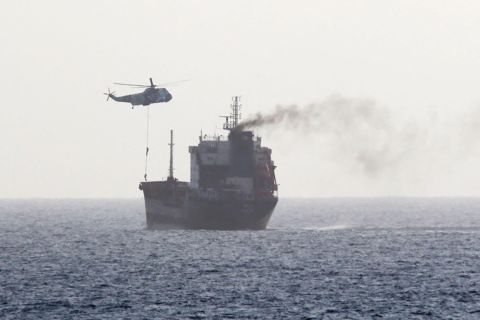
In order to reduce the possibility and damage of spills, modern tankers are built with cutting-edge safety regulations. Vessels are usually built with double-hull systems that provide an extra layer of protection against leaks, and they can transport up to 3 million barrels of combustible cargo.
Operators use internal safety precautions, such as lowering oxygen levels in storage tanks using inert gas systems to avoid combustion, in addition to structural design. Additionally, the distribution of cargo among several compartments reduces the size of possible leaks in the event of damage.
Even little leaks have the potential to grow into significant environmental problems in spite of these precautions. Spills may spread quickly in incredibly thin layers over large surface areas because oil has a lower density than water. This can harm fisheries, disturb marine ecosystems, and have an effect on coastal economies. As a result, operators may face hefty cleaning expenses, fines, and reputational threats.
Long-term liabilities that go beyond initial containment measures might result from environmental harm that lasts for years.
Highlighting Long-Term Risk in a Case Study
The magnitude of the possible damage is demonstrated by the grounding of the Japanese ship MV Wakashio close to Mauritius. Despite not being a crude tanker, the roughly 1,000-ton gasoline leak resulted in significant ecological harm, and years later, reports of its aftereffects are still being made. The event serves as a reminder of how even little spills may have long-term negative effects on the environment and the economy.
Response Expenses and Industry Difficulties
Containment measures like chemical dispersants and floating barriers must be quickly deployed in order to respond to an oil spill. Although these techniques aid in limiting the spread and speeding up natural deterioration, complete recovery sometimes requires years and significant financial and logistical efforts.
Strategic Perspective
The vulnerability of oil transport routes to interruptions continues to be a major worry for the energy industry due to rising geopolitical tensions and changing security threats. Tanker resilience is being improved by technical developments, but industry stakeholders are under increasing pressure to strike a balance between environmental responsibility and operating economy.
The industry must manage a crucial issue as the world's energy needs continue: how to maintain dependable oil transportation while reducing the growing financial and environmental risks connected with possible breakdowns.


