


ALBAWABA- U.S. President Donald Trump said he seeks access to Iranian oil resources “because I’m a businessman,” as he outlined Washington’s military and economic objectives during a high-profile press conference alongside senior defense officials.
Speaking amid escalating tensions over the Strait of Hormuz, Trump reiterated demands that Iran immediately reopen the strategic waterway, a critical route for global energy supplies. He warned that failure to comply by a Tuesday deadline could trigger expanded U.S. strikes on key infrastructure, including bridges and energy facilities, echoing earlier threats of intensified attacks.
The president framed U.S. actions as both strategic and economic, asserting that targeting Iran’s resources would help force compliance while advancing American interests. He also claimed that such measures would ultimately benefit the Iranian population, despite widespread regional criticism.
When a journalist asked Trump, “You said today you would like to take Iran’s oil, but many Americans want U.S. forces brought home,” the president responded by framing the issue in business terms. He said he is “a businessman first” and compared the situation to U.S. actions in Venezuela, claiming the operation there was completed in about 45 minutes and resulted in the acquisition of hundreds of millions of barrels of oil. “To the victor belong the spoils, so why shouldn’t we use it?” he added.
A significant portion of the briefing focused on a recent U.S. airborne operation inside Iran, which Trump described as a successful large-scale mission to rescue downed American personnel. He praised the coordination and execution of the operation, calling it evidence of U.S. military capability under pressure.
Senior defense officials appearing alongside Trump echoed his remarks, emphasizing U.S. military superiority and readiness to escalate if necessary. The administration maintained that Washington would continue operations until its objectives were achieved.
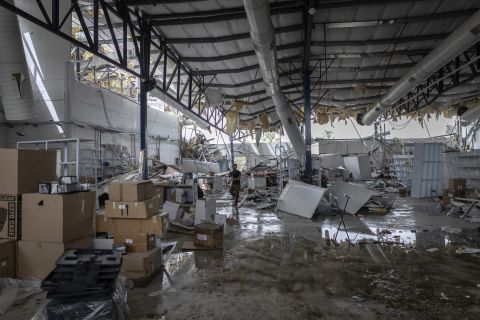
The press conference comes as Iran has rejected a U.S.-backed ceasefire proposal, instead demanding a permanent end to the conflict, sanctions relief, and guarantees over maritime security in the Strait of Hormuz.
Meanwhile, speculation persists in diplomatic and intelligence circles over the broader objectives of recent U.S. operations, including whether they were linked to attempts to target Iran’s nuclear-related assets. Iranian officials have denied any such breach, insisting their defenses remain intact.
With both sides maintaining hardline positions, global energy markets remain volatile as the U.S. deadline approaches and prospects for de-escalation appear limited.


