ALBAWABA - Taylor Swift appears to have drawn a line under Donald Trump’s use of her music after songs featured in several Team Trump TikTok videos were removed from the posts.
The latest incident began when Trump’s team posted a video featuring the president and first lady Melania Trump watching a July Fourth fireworks display. The clip was set to Swift’s song “August,” from her 2020 album Folklore.
The Team Trump account appeared to directly reference Swift in the caption, writing that she would be “super excited” about the use of her song and tagging her account. The post quickly attracted attention from Swift’s fans, many of whom urged the singer to have her music removed from the political video.
By Friday, the music had been removed from the TikTok post. Instead of playing Swift’s song, viewers were met with a notice indicating that the audio was no longer available.
Swift herself has not publicly commented on the incident, and there has been no public statement from her representatives explaining exactly how the removal was requested. However, the timing led fans and entertainment outlets to conclude that the song had been taken down through copyright enforcement.
The situation did not stop with “August.”
Reports later indicated that two additional Swift songs, “Father Figure” and “Opalite,” were also removed from TikTok posts associated with Trump’s team. “Father Figure” appears on Swift’s 2025 album The Life of a Showgirl, while “Opalite” is also from the same album.
The removals have attracted significant attention because Swift and Trump have a long history of political disagreements.
Swift publicly criticized Trump during his first presidency and became increasingly vocal about politics in the years that followed. During the 2024 presidential election, she endorsed Kamala Harris, posting her support shortly after the presidential debate between Harris and Trump.
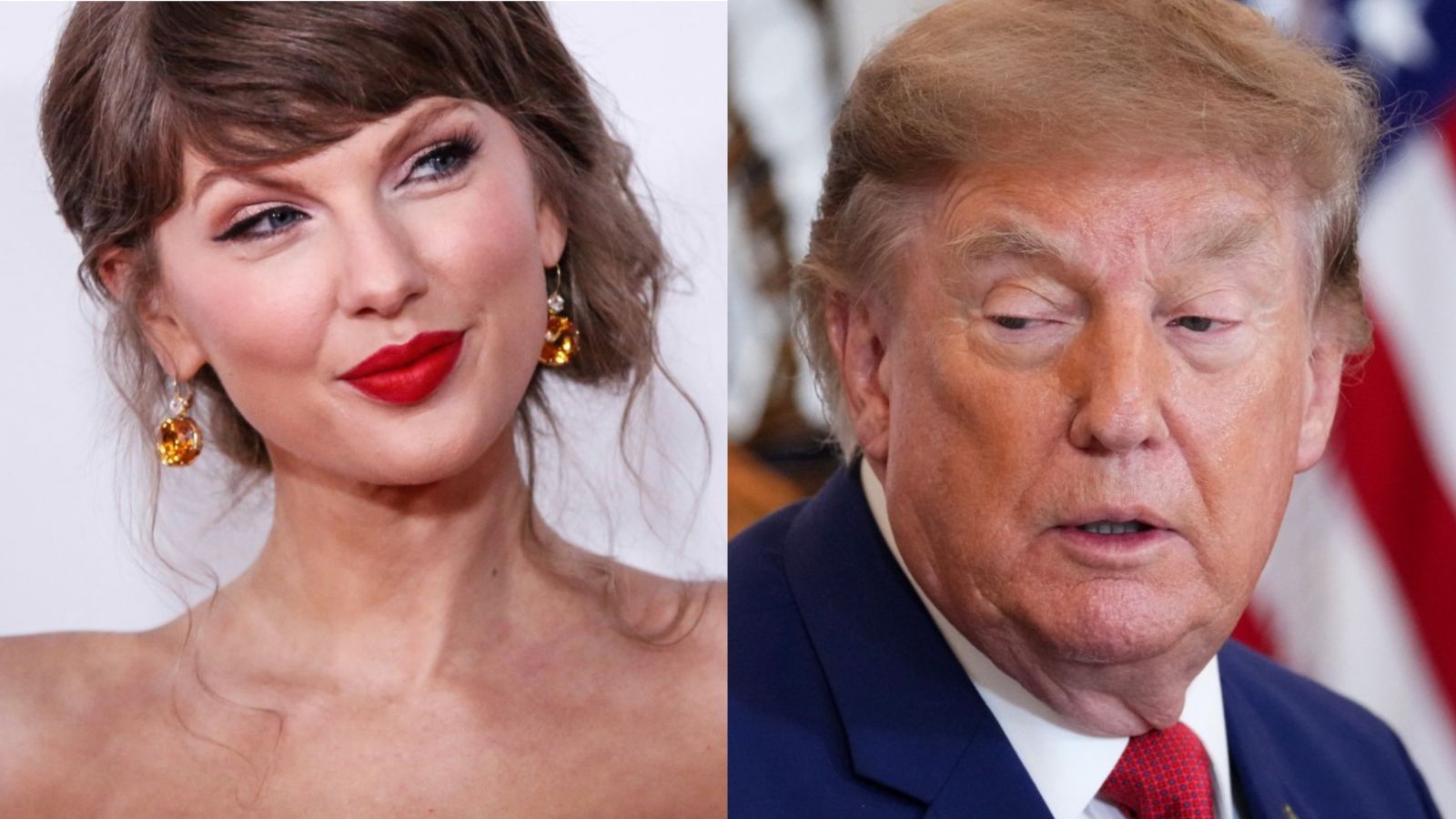
Trump subsequently criticized Swift on social media and suggested that she would not be able to benefit politically or commercially from her opposition to him.
The relationship between the two became even more complicated when Trump posted AI-generated images in 2024 falsely portraying Swift and her fans as supporting his presidential campaign. The singer later endorsed Harris, making her political position clear.
Swift has also taken steps to strengthen control over her intellectual property. In April 2026, she filed trademark applications covering aspects of her voice and image, amid growing concerns about artificial intelligence and unauthorized uses of artists’ identities.
Her official website also makes clear that Swift and her related companies control intellectual-property rights connected to her name, likeness and other protected material, while outlining procedures for copyright infringement claims.
The latest TikTok dispute therefore appears to be less about a public confrontation and more about control over how Swift’s music is used.
Trump’s team appeared to deliberately draw attention to the singer by tagging her in the “August” post, but the eventual removal of the song meant that the political video remained online without the soundtrack that had initially accompanied it.
For Swift’s enormous fanbase, the removal was quickly celebrated as a victory. Online reactions described the move as a direct response to Trump’s attempt to associate her music with his political messaging.
Still, there is no evidence that Swift personally issued a cease-and-desist order or publicly demanded that Trump remove the songs. What is clear is that multiple songs associated with her catalog have since been muted or removed from Team Trump TikTok posts, leaving the political videos without the music that originally accompanied them.
The episode adds another chapter to the long-running tension between one of the world's biggest pop stars and the former president, while once again highlighting the complicated relationship between political campaigns, artists and music rights.