ALBAWABA- A new study has warned that a near-total disruption of shipping through the Strait of Hormuz could deal a severe economic blow to European economies, as escalating Iran–Israel tensions threaten global energy flows.

The research, conducted by the Supply Chain Information Institute alongside the Centre for Complexity Science and Delft University of Technology, finds that the impact would be concentrated in a small number of EU countries and would depend heavily on how long any disruption lasts. A blockade lasting more than four weeks would significantly amplify the damage.
Italy is identified as the most exposed EU economy, with billions of dollars in imports from Gulf states each year, including major liquefied natural gas (LNG) flows from Qatar. Belgium and the United Kingdom are also highlighted as highly vulnerable due to their reliance on Gulf energy supplies, particularly gas.
The @The Guardian have written an interesting article looking at how the price of consumer goods could surge as shipping costs soar based on information recently released by @CIPS - The Chartered Institute of Procurement & Supply - have a read: https://t.co/vAQpVcWBxu pic.twitter.com/niCeCtgdFM
— International Trade Matters Ltd (@IntTradeMatters) February 14, 2026
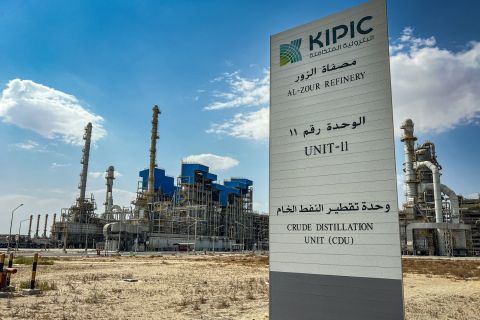
The warning comes as Iran steps up retaliatory missile and drone attacks on energy infrastructure across the Gulf, following Israeli strikes on its South Pars gas field. Facilities in Qatar, Saudi Arabia, Kuwait, and the UAE have been targeted, raising fears that energy exports through Hormuz are being severely disrupted.
At the same time, a potential “double chokepoint” risk as Houthi forces in Yemen threaten to close shipping routes through the Bab al-Mandab Strait. Such a scenario could further constrain global supply chains and intensify volatility in energy markets as the conflict expands.