


ALBAWABA- U.S. President Donald Trump commended Germany and several European allies for supporting Washington’s ongoing military campaign against Iran, while sharply criticizing Spain for denying access to its military bases and announcing a suspension of all trade ties with Madrid.
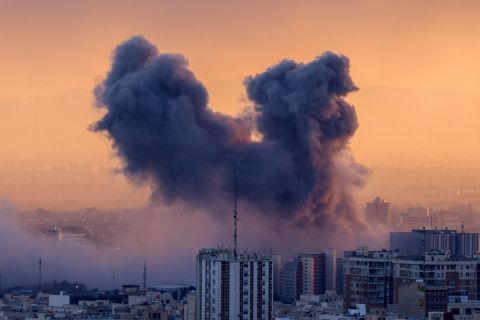 Israeli airstrike hits Qom during clerical body meeting to choose Iran’s next supreme leader
Speaking at the White House on March 3, 2026, alongside German Chancellor Friedrich Merz, Trump praised Berlin’s cooperation, saying Germany had been “great” in backing U.S. efforts to counter Iran’s nuclear ambitions and regional influence. He noted that while some European nations had been helpful, others had not, expressing particular disappointment with Spain.
Merz affirmed Germany’s alignment with Washington on security matters and urged NATO members to meet the alliance’s 5% of GDP defense spending benchmark. He specifically called on Spain to increase its military contributions, describing it as essential to collective security.
Tensions escalated after Spain refused to grant full access to U.S. forces at its military bases. In response, Trump announced a complete halt to trade relations with Madrid, directing U.S. officials to sever economic dealings. He also suggested that U.S. forces could still utilize Spanish bases if necessary, citing presidential authority.
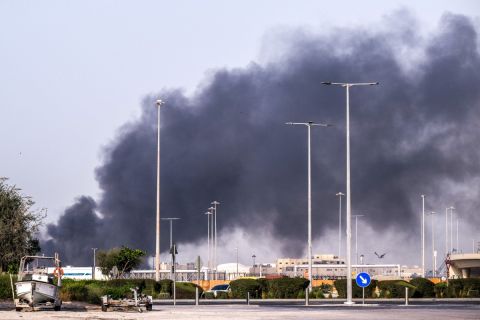
France, Italy, and Poland have expressed varying degrees of support for the U.S. campaign, with France reportedly facilitating the relocation of American aircraft from Spanish bases to French facilities. Meanwhile, the United Kingdom under Prime Minister Keir Starmer initially delayed granting full base access but later permitted limited defensive use.
The diplomatic rift unfolds amid the broader U.S.-Israel confrontation with Iran, which began with joint airstrikes on February 28 that killed Supreme Leader Ayatollah Ali Khamenei and dozens of senior officials. Iran has since launched retaliatory attacks on Gulf infrastructure and U.S. assets, disrupting energy markets and pushing global oil prices sharply higher.
Spain’s Prime Minister Pedro Sánchez defended his government’s decision as consistent with international law, while Washington’s trade threats could deepen divisions within NATO and strain transatlantic relations at a critical moment of regional instability.