ALBAWABA- U.S. President Donald Trump drew the fresh international ire, asserting in a post on Truth Social that Russia and China “have zero fear of NATO without American involvement” while claiming credit for strengthening the alliance and pressuring European members to boost defense spending.
The remarks underline widening tensions between Washington and its NATO partners amid a spate of unilateral U.S. actions that have rattled transatlantic relations.
Trump’s post reiterated his view that only a “DJT-rebuilt” U.S. military commands respect from global adversaries and underscored his claims of raising NATO defense spending targets from 2 % to 5 % of GDP.
He also touted his administration’s role in countering Russian advances in Ukraine and “ending wars,” framing his leadership as central to alliance strength, even as he questioned NATO’s reliability without the United States. Supporters hailed his tough rhetoric; critics warned that it further frays alliance unity at a critical moment.
The comments come against the backdrop of mounting friction with European allies, especially over Trump’s renewed ambition regarding Greenland, an autonomous Danish territory.
European leaders have forcefully rejected any U.S. attempt to acquire the island, with Denmark’s prime minister warning that such a move would spell “the end of NATO” by undermining the alliance’s foundational trust and collective defense principles. Europe’s capitals have publicly backed Danish sovereignty and stressed respect for international law in response to U.S. proposals, ranging from purchase to exploring military options, that have alarmed Copenhagen and others.
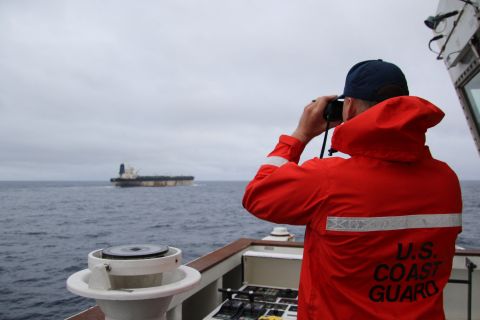
Compounding transatlantic strain are U.S. actions in Latin America and the Atlantic. On Wednesday, U.S. forces seized the Russian-flagged tanker Marinera, linked to Venezuelan oil shipments, after a prolonged pursuit, marking a rare U.S. interception of a Russian vessel and drawing Moscow’s condemnation as “piracy.”
Another Venezuela-linked ship was also taken by U.S. authorities in the Caribbean. These maritime operations follow a dramatic U.S. raid in Caracas on January 3 that resulted in the capture of ousted Venezuelan President Nicolás Maduro on drug and terrorism charges. This move has provoked widespread international criticism.
European governments have voiced deep concern over these developments, seeing Trump’s rhetoric and actions, from Greenland to military enforcement of Venezuelan sanctions, as symptomatic of a broader shift toward unilateral U.S. strategic maneuvering that could destabilize longstanding alliances and regional security structures.
Trump’s latest remarks dismissing NATO’s deterrent power without the U.S. have intensified diplomatic tensions with European partners already rattled by his administration’s assertive policies on Greenland and Venezuela. Such escalations risk undermining alliance unity at a pivotal moment in geopolitics.