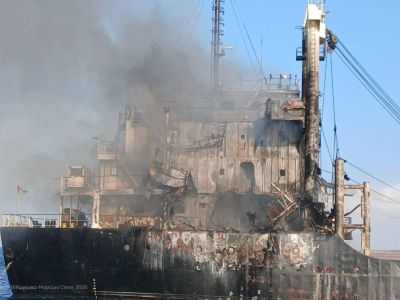
ALBAWABA- Qatar Energy, the world’s largest exporter of liquefied natural gas (LNG), announced a complete suspension of production after Iranian drone strikes targeted critical infrastructure in Ras Laffan Industrial City and Mesaieed Industrial City.
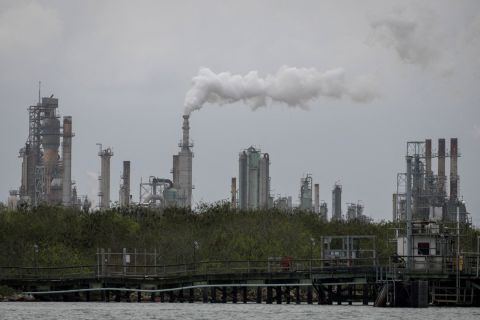
According to Qatar’s Ministry of Defense, the attacks struck a water tank at a power plant in Ras Laffan, the hub of the country’s LNG operations, as well as an energy facility in Mesaieed.
No casualties were reported, but authorities are assessing structural damage. Qatar Energy said the halt will remain in place until safety inspections are completed, affecting all LNG output and associated products.
The shutdown comes amid a widening regional escalation under Iran’s “Operation True Promise 4,” launched in retaliation for the February 28 joint U.S.–Israeli airstrikes that killed Supreme Leader Ali Khamenei and more than 40 senior Iranian officials.
Since then, Tehran has targeted U.S. military sites, Israeli installations, and Gulf energy assets, while threatening to disrupt shipping through the Strait of Hormuz.
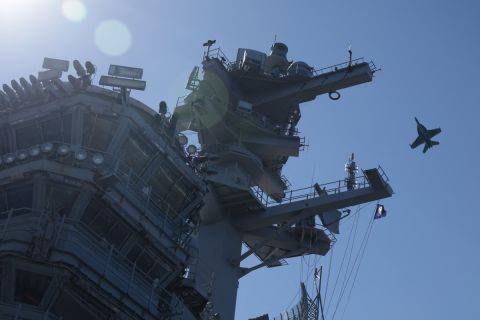
Regional energy infrastructure has also come under pressure. In Saudi Arabia, debris from intercepted Iranian drones caused limited damage and a temporary shutdown at the Ras Tanura refinery, a major export terminal with a capacity of around 550,000 barrels per day. Officials confirmed the fire was quickly contained and no injuries occurred.
Qatar accounts for roughly 20% of global LNG supply, making the production halt a major blow to international energy markets. Key importers in Europe and Asia, including Japan and South Korea, face potential supply shortfalls. LNG prices could rise 20–30% if disruptions persist.
Gulf states have condemned the attacks and reaffirmed their right to self-defense, while the United Nations Security Council convened emergency talks to prevent further escalation. Prolonged instability in the Gulf could trigger a broader global energy crisis, underscoring the vulnerability of supply chains to geopolitical shocks.