ALBAWABA - During a field visit to Gaza on Sunday, Israeli Chief of Staff Herzi Zamir said that the army would stay along the Yellow Line, which he called "a new border—both a defensive front for settlements and an offensive line."
His comments come even though phase two of the ceasefire agreement says that Israel has to pull its troops back past that line. The Yellow Line was put in place after the ceasefire between Israel and Hamas in October 2025. It shows where Israeli troops could not go inside the Strip.
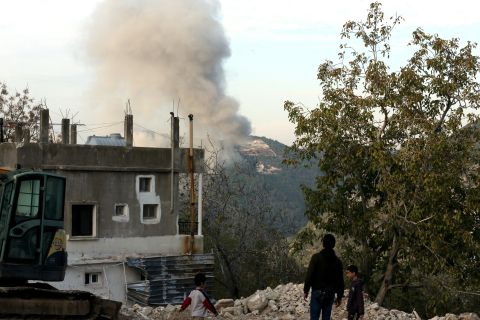
What does the Yellow Line mean?
The Yellow Line is a military buffer zone that was set up after the ceasefire.
It is now the front line for Israeli troops, and people can't get to the areas around it. Early mapping assessments say that the line splits Gaza into areas that will be controlled by the Israeli military and areas that will be run by the local government.
Israeli troops have put up concrete markers and yellow boundary signs in some parts of the area to warn people that crossing the line could lead to live fire. Reports from Palestinians say that the area is becoming a larger security belt that limits access to former residential areas.
Zamir: "We're getting ready for a surprise war."
Zamir said that the IDF is "working to remove threats in all domains" and that getting ready for a sudden escalation is "a cornerstone of our multi-year security plan."
Military analysts say that keeping the Yellow Line is part of a larger strategy to make sure that troops can be quickly mobilized if fighting starts up again. Reports from Israeli media say that armored units and surveillance systems are still being sent to eastern Gaza to strengthen its defenses.
Tensions on the ground even though there is a ceasefire
Even though fighting officially stopped, there are still sporadic clashes near the line.
Reports from the area say that Israeli soldiers have shot at people who were getting close to the barrier, which makes people worry that the ceasefire is "largely on paper."
Humanitarian groups say that the restricted zone keeps tens of thousands of displaced people from going back to their homes. This could make the division of Gaza's territory permanent, which is what critics are afraid of. (Al Jazeera).
Some people who watch the region closely say that even though Israel publicly calls the Yellow Line temporary, the gradual cementing of military presence could lead to a long-term security separation or even a new border reality.
Experts say it's not "if," but "when."
Western diplomatic commentary cited in regional coverage suggests that people are becoming more worried about a possible return to large-scale conflict if political talks break down. They say that the way troops are being sent out now is similar to how they were sent out before the June strikes on Iranian nuclear sites.
Experts say that the first spark could decide the next chapter of the conflict, since both sides are on high alert and Gaza is still heavily militarized.