


ALBAWABA- Pakistan’s Chief of Army Staff, Field Marshal Syed Asim Munir, arrived in Tehran on Wednesday for high-level consultations, marking a new phase in Islamabad’s diplomatic efforts to stabilize the Middle East.
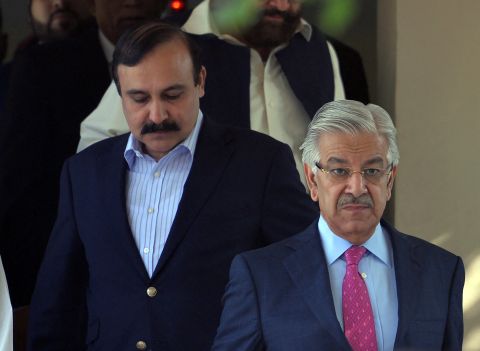
He was received upon arrival by Iranian Foreign Minister Seyed Abbas Araghchi, underscoring Tehran’s acknowledgement of Pakistan’s mediation role amid fragile ceasefire arrangements following recent regional hostilities.
The visit comes as Pakistan intensifies efforts to facilitate a second round of direct talks between the United States and Iran, following an initial session hosted in Islamabad on April 12.
That meeting, which included US Vice President JD Vance and senior Iranian officials such as Araghchi and Parliament Speaker Mohammad Bagher Ghalibaf, did not yield a comprehensive agreement but helped extend a tenuous ceasefire after weeks of US-Israeli military operations.
Pakistani officials, led by Prime Minister Muhammad Shehbaz Sharif and Field Marshal Munir, have been credited with facilitating back-channel diplomacy that contributed to halting further escalation and securing the initial truce.
Islamabad has proposed hosting a second round of talks in the Pakistani capital later this week or early next week, aiming to translate the ceasefire into a more durable peace framework. Iranian officials have responded positively, describing Pakistan’s initiative as timely and constructive.
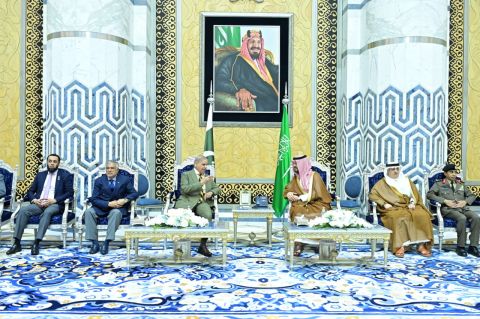
Ahead of further negotiations, Tehran has reiterated firm positions, insisting that any comprehensive agreement must address regional theatres, including Lebanon, while also rejecting external oversight of the Strait of Hormuz and defending its missile programme and uranium enrichment activities as sovereign rights tied to national security.
Field Marshal Munir, who maintains strong diplomatic ties with Washington, is seen as a key intermediary in the process. Donald Trump has previously praised him, calling him “my favourite Field Marshal” and a “great fighter,” highlighting his perceived role in facilitating communication channels.
Pakistan’s emerging dual-track diplomacy, combining military and political engagement, has positioned Islamabad as a central mediator in efforts to prevent wider regional escalation. Outcomes from Munir’s Tehran consultations are expected to influence the scope and agenda of the proposed second round of US–Iran talks under Pakistani facilitation.


