ALBAWABA- Iran launched a new wave of missile and drone attacks across the Gulf on Thursday, targeting energy infrastructure and U.S. military facilities amid escalating retaliation for recent joint U.S.-Israeli strikes on Iranian leadership.
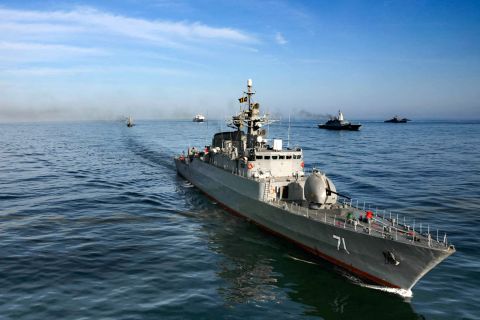
In Bahrain, a strike hit the Bapco Energies refinery, igniting a limited fire in one processing unit, according to the National Contact Center. Authorities said the blaze was quickly contained and no injuries were reported. Refinery operations continued normally, though officials said a full damage assessment is underway.
Explosions were also reported near the U.S. Navy’s Fifth Fleet headquarters in Manama, where smoke was seen rising from damaged structures. The incident highlighted vulnerabilities in regional air defense systems.
In the United Arab Emirates, Iranian missiles targeted an oil refinery in Abu Dhabi, triggering explosions and heavy smoke at Jebel Ali Port, near condensate storage facilities.
Tehran also claimed strikes on the Sheikh Zayed military base, which hosts U.S. personnel. Emirati authorities said several incoming projectiles were intercepted, though debris caused minor disruptions.
The attacks are part of Iran’s broader retaliation campaign, dubbed “Operation True Promise 4,” following the February 28 joint U.S.-Israeli assault on Iran that assassinated Supreme Leader Ayatollah Ali Khamenei and more than 40 senior Iranian officials. The strikes were aimed at crippling Iran’s nuclear and military infrastructure.
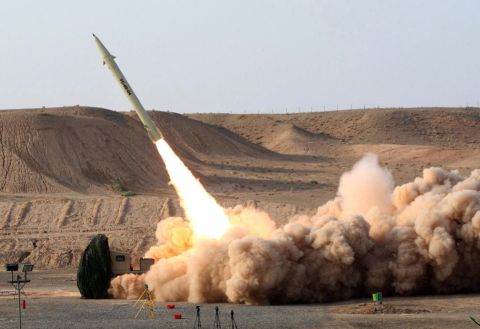
Since then, Iran has targeted U.S. facilities across the region, including sites in Bahrain, Qatar, Kuwait, and Oman, while energy infrastructure in Saudi Arabia and Qatar has also been disrupted. The escalating conflict has pushed Brent crude prices above $90 per barrel, raising fears of global energy supply shocks.
Gulf states have condemned the attacks and asserted their right to self-defense, while the UN Security Council is debating emergency measures to halt the escalating violence.
Continued strikes on Gulf energy infrastructure could trigger a prolonged regional conflict and destabilize global energy markets as diplomatic efforts struggle to contain the crisis.