



ALBAWABA- Iran has intensified its retaliation against Israel and its regional allies, targeting key industrial facilities in both Israel and the Gulf as the conflict enters a more expansive and economically disruptive phase.
On Sunday, Iran’s Islamic Revolutionary Guard Corps launched coordinated missile and drone strikes on major aluminum producers in the Gulf, including Aluminium Bahrain (Alba) and Emirates Global Aluminium.
Alba confirmed its facilities were hit, reporting minor injuries and damage, with operations still under evaluation. Iranian officials described the sites as linked to U.S. military and aerospace supply chains.
In Israel, Iranian missiles struck the Neot Hovav industrial zone near Beersheba, a critical chemical and energy hub in the Negev desert that includes major ammonia storage facilities. Israeli authorities reported localized damage and power outages but no significant casualties.
The strikes follow recent U.S. and Israeli attacks on Iranian infrastructure, including key steel complexes such as Mobarakeh and Khuzestan, underscoring a deepening cycle of tit-for-tat escalation. Tehran has warned that any targeting of its industrial and nuclear assets would be met with direct strikes on comparable economic sites across Israel and U.S.-aligned Gulf states.
Analysts say the latest attacks highlight Iran’s sustained capacity to project force using ballistic missiles and drones, despite Israeli assertions that its military capabilities have been significantly degraded.

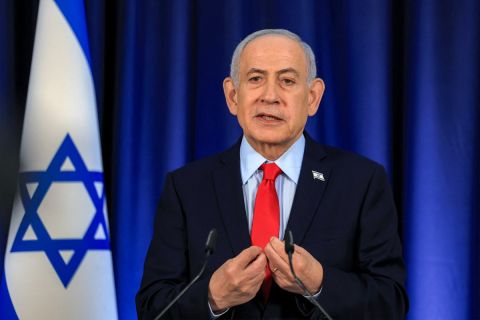
The developments come as the multi-front war enters its fifth week. Benjamin Netanyahu has framed the campaign as strategically transformative, citing expanded Israeli control zones in Gaza, Lebanon, and Syria.
However, Iran’s widening response has broadened the conflict’s scope, increasingly targeting civilian-linked infrastructure and raising concerns over disruptions to global energy, fertiliser, and aluminium markets, particularly through the Strait of Hormuz.
The growing focus on economic targets signals a prolonged confrontation with rising risks to civilians and global supply chains. No ceasefire or de-escalation efforts have been announced.


