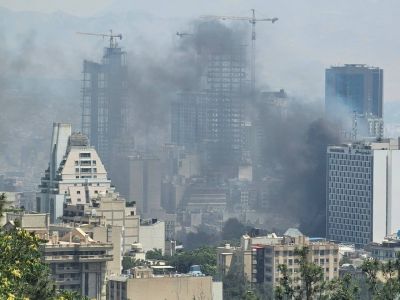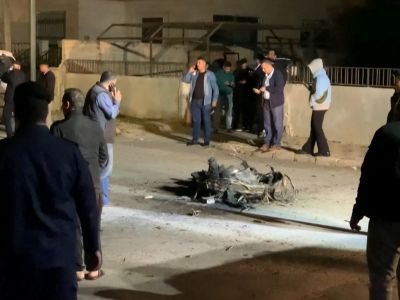


ALBAWABA- Anti-government protests in Iran have entered a second week, spreading to more than 200 locations across 26 of the country’s 31 provinces, fueled by soaring inflation, a collapsing rial, and mounting economic hardship.
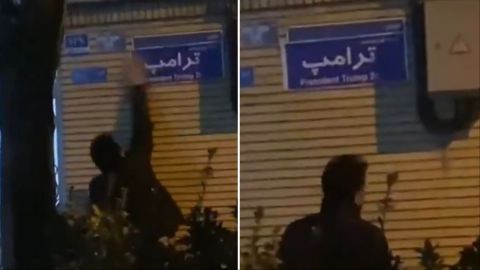
What began as merchant strikes in Tehran’s Grand Bazaar on December 28 has escalated into nationwide demonstrations, with crowds openly chanting against Supreme Leader Ayatollah Ali Khamenei and, in some cases, voicing support for exiled Crown Prince Reza Pahlavi.
Human rights groups report at least 36 protesters killed and more than 2,000 arrested as security forces clash with demonstrators using tear gas, live fire, and mass detentions.
The unrest, described as the most sustained since the 2022 Mahsa Amini protests, has included road blockades, arson, and attacks on symbols of state authority in cities such as Tehran, Shiraz, and in Kurdish-majority regions.
In a notable shift, President Masoud Pezeshkian ordered security forces to avoid using force against peaceful demonstrators, distinguishing between civilians protesting economic conditions and what officials describe as armed “rioters.”
According to his deputy, Mohammad Jafar Ghaempanah, the directive instructs security agencies to refrain from action unless national security is threatened. The move follows reports of deadly force in western provinces, including Ilam and Kermanshah, where videos circulating online appear to show security raids on hospitals and gunfire directed at crowds.
Pezeshkian has acknowledged government responsibility for the economic crisis, announcing investigations into alleged abuses by security forces and unveiling emergency subsidies to curb rising bread prices. His gestures, however, have done little to calm tensions on the streets.
The unrest has also heightened international frictions. Iran’s Foreign Ministry accused the United States of exploiting the protests, blaming sanctions for the economic collapse and denouncing what it called Washington’s “interventionist” rhetoric.
In a statement posted on X, the ministry said Iran remains committed to addressing legitimate public demands through constitutional means, while urging the United Nations to challenge U.S. actions it deems unlawful.
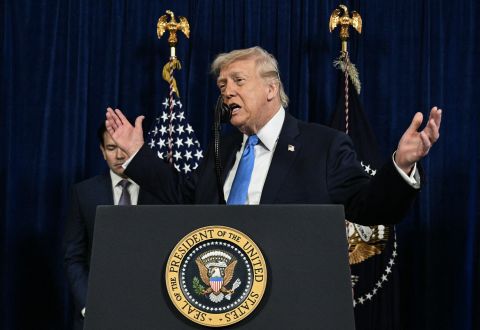
Adding to the pressure on Tehran, exiled Crown Prince Reza Pahlavi is expected to meet U.S. President Donald Trump after publicly thanking him for supporting protesters and warning Iranian authorities against further bloodshed.
Trump has said the United States could intervene if violence intensifies, language that analysts warn may further polarize Iran’s leadership, embolden hardliners, and deepen internal divisions as the protests show no sign of abating.