


ALBAWABA- Tensions escalated in the Strait of Hormuz after Iran and the United States exchanged accusations of ceasefire violations, raising fresh concerns over the stability of the fragile truce reached earlier this year following direct hostilities involving Iran, the United States, and Israel.
Iran’s Islamic Revolutionary Guard Corps announced on Tuesday that it had shot down a US drone after what it described as a violation of Iranian airspace. Iranian media outlets, including Fars News Agency, also reported that at least four people were killed in what Tehran characterized as a joint American-Israeli strike targeting Iranian vessels south of Lark Island in the Strait of Hormuz.
In response, the United States Central Command confirmed carrying out what it described as “self-defense” strikes in southern Iran between May 25 and 26. According to CENTCOM spokesperson Capt. Tim Hawkins, US forces targeted IRGC naval boats allegedly attempting to lay mines in the strategic waterway and also struck missile launch sites near Bandar Abbas.
US media reports citing senior officials stated that two Iranian boats were destroyed after being observed deploying mines in the Strait of Hormuz, one of the world’s most critical oil shipping routes. CENTCOM said the operations were conducted to protect US forces and maritime security while maintaining restraint under the existing ceasefire framework.
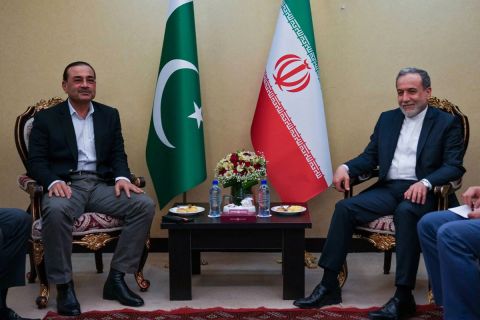
The latest incidents mark a significant test for the Pakistan-mediated ceasefire that came into effect in April 2026 and has since been extended several times through indirect negotiations. Despite ongoing diplomatic efforts, the Strait of Hormuz remains a major flashpoint due to its strategic importance for global energy supplies and regional security.
Iran’s Supreme Leader intensified rhetoric following the clashes, warning that the United States would no longer enjoy a “safe haven” for its military bases in the Gulf. The statement reflected Tehran’s continued opposition to the American military presence in the region and signaled the possibility of further confrontation at sea.
The developments come amid ongoing negotiations aimed at converting the temporary truce into a broader political agreement. A proposed memorandum of understanding, described by President Donald Trump as “largely negotiated,” reportedly includes a 60-day extension of the ceasefire, reopening the Strait of Hormuz to unrestricted commercial shipping, phased sanctions relief, and renewed talks over Iran’s nuclear program and enriched uranium stockpile.
Pakistan has continued to play a central mediation role, facilitating communication between Tehran, Washington, and Beijing as efforts to preserve regional stability continue. While both Iran and the United States have publicly expressed conditional support for de-escalation, mutual distrust remains high, with each side accusing the other of repeated violations.


