ALBAWABA - Egyptian actor Abdel Aziz Makhyoun dies at 80.
Egyptian actor Abdel Aziz Makhyoun died on Wednesday, aged 80, after his health deteriorated in recent days. His death ends more than five decades of uninterrupted presence in Egyptian cinema, television, and theater.
Makhion died this morning following a struggle with illness. According to local news outlets, his death resulted from a major health crisis that required his relocation to an intensive care unit at an Alexandria hospital.
Jehan Zaki, Egyptian Minister of Culture, lamented the late actor, characterizing him as "one of the icons of Egyptian creativity." Within hours, the news of his death had evolved from a sad statement in the creative community and on social media into a broad conversation about one of the figures who, despite his absence from the spotlight, left an indelible stamp on the memory of Egyptian drama.
A Long Career in Film and Television
Abdel Aziz Makhyoun began his artistic career in the 1970s, carving out a distinct place for himself with his ability to portray nuanced and even insignificant people. He became a "constant face" in many well-known works, even if he did not appear at the top of the poster.
He appeared in some of the most significant films in modern Egyptian cinema, such as "Al-Karnak," "Alexandria... Why?", "An Egyptian Story," "The Escape," "The Blood of the Deer," and "Shehata's Shop." His name is also linked to notable collaborations with renowned filmmakers such as Youssef Chahine and Atef El-Tayeb.
A Notable Presence on TV Drama
Makhion's influence extended beyond the cinema screen. Arab audiences widely knew him through television dramas, especially in series such as "Al-Shahd wal-Dumou'" (Honey and Tears), "Layali Al-Hilmiya" (Helmiya Nights) (as Taha Al-Samahi), "Bawabet Al-Halawani" (The Halawani Gate), "Khalati Safiya wal-Deir" (My Aunt Safiya and the Monastery), "Zizinia," "Umm Kulthum," and "Al-Gama'a" (The Brotherhood).
In recent years, he has regained popularity with younger generations thanks to notable roles in commercially successful series such as "Al-Prince" (The Prince), "Jazirat Ghamam" (The Island of Clouds), and "Souq Al-Kanto" (The Canto Market), demonstrating his ability to keep up with changes in the drama market while maintaining his distinct style.
Makhion graduated from the Higher Institute of Theatrical Arts and was later awarded a scholarship to study theater in France. He subsequently went to Egypt and helped to establish the "Peasant Theater," an endeavor dedicated to bringing rural problems and challenges to the stage.
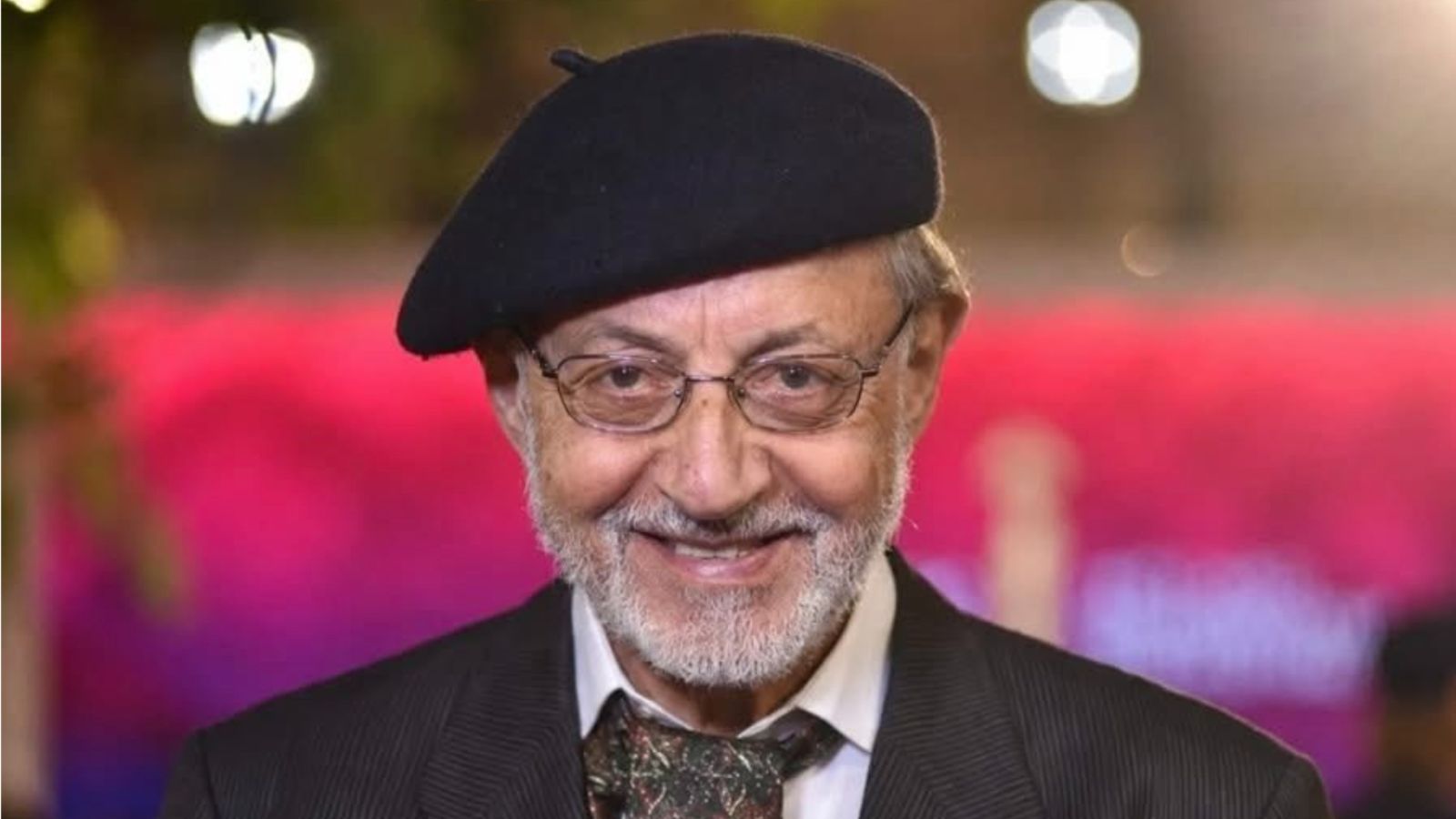
Despite his widespread fame in Cairo, the late artist was deeply connected to his home province of Beheira in northern Egypt, particularly the hamlet of Abu Hummus, where he lived his final years.
With the death of Abdel Aziz Makhion, Egyptian art has lost one of its most prominent performers, whose forceful presence and authentic performances left an indelible impression on spectators, even if he was less showy than the A-list stars.