ALBAWABA - Saad Al-Kaabi, Qatar's Energy Minister, said that the current conflict in the Middle East could mess up energy markets around the world and could force Gulf producers to stop exporting energy within weeks.
Al-Kaabi told the Financial Times that the situation in the region was getting worse, which could make oil prices go as high as $150 per barrel if energy supply and shipping routes are still in danger. He warned that fighting that lasts for a long time could hurt global economic growth and cause energy prices to rise sharply around the world.
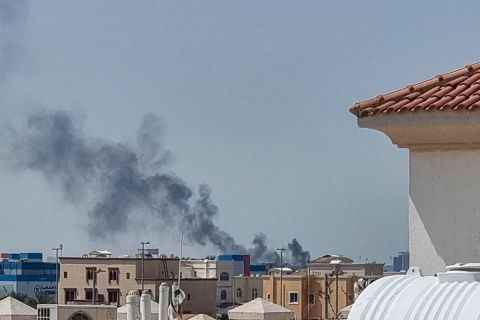
This week, an Iranian military strike on operational sites in Ras Laffan Industrial City and Mesaieed caused QatarEnergy to declare "force majeure" and stop making liquefied natural gas. Because of the ruling, one of the biggest LNG suppliers in the world could not send any more LNG.
Al-Kaabi said that even if fighting stopped right away, it might take weeks or even months to get supplies back to normal because of the time it takes to look at the damage and fix the infrastructure.
The minister also said that other Gulf oil producers might have the same problems. He said that soon, companies that can't meet their service obligations under contracts might also have to say "force majeure."
He also said that Europe would probably be one of the areas most hit if LNG supplies stay low, especially since Asian buyers are competing hard for available cargoes on the world market.
Qatar's offshore production sites have not been damaged, but Al-Kaabi said that the damage to land-based infrastructure is still being assessed. Repairs and safety checks are still going on.
The war could also slow down Qatar's $30 billion plan to expand the North Field, which will raise the country's annual production from 77 million tons to 126 million tons by 2027. The project's first results were supposed to come out later this year.
Al-Kaabi also said that problems with shipping in the Strait of Hormuz could have big effects on trade around the world. About 20% of the world's oil and gas supplies pass through the narrow waterway, which is an important shipping path.
He said that if ships can't safely cross the sea, oil prices could go through the roof within weeks and natural gas prices could go through the roof, possibly quadrupling from where they were before the war.
In addition to energy markets, the minister said the area is also a big source of petrochemicals and raw materials used to make fertilizer. If there are problems with supply, they could affect many industries around the world.
According to Al-Kaabi, Qatar's main reason for stopping LNG operations was safety worries after the reported drone attack on Ras Laffan earlier this week.